Two label designs side by side — a crowded label with no visual hierarchy versus a clean label with intentional white space and clear focal point.

White Space in Label Design: How to Use Negative Space Effectively

Table of Contents White Space in Label Design: How to Use Negative Space Effectively White space — the open area around and between design elements — is the primary tool for guiding a buyer’s eye across a label, establishing hierarchy, and signaling product quality. White space (also called negative space) in label design is any

White Space in Label Design: How to Use Negative Space Effectively Read More »

Digital cannabis labels printed in-house with batch-specific variable data including potency, lot number, and state warning symbol

Cannabis Label Compliance in 2026: State Rules, Variable Data, and In-House Printing

Table of Contents Cannabis Label Compliance in 2026: State Rules, Variable Data, and In-House Printing U.S. cannabis label compliance has no federal baseline — each state writes its own rules, revises them frequently, and enforces them at the batch level. Cannabis label compliance in 2026 requires operators to manage state-specific warning symbols, potency disclosures, batch

Cannabis Label Compliance in 2026: State Rules, Variable Data, and In-House Printing Read More »

Polycarbonate and polyester durable equipment nameplates for industrial asset identification.

Durable Equipment Labels: Polycarbonate vs Polyester

Table of Contents Durable Equipment Labels: Polycarbonate vs Polyester vs Metal Polycarbonate and polyester each fail in predictable ways when misspecified — this guide maps the right substrate to your operating environment. Polycarbonate is the right choice for touched surfaces, control panel overlays, and subsurface-protected graphics — but is sensitive to aromatic solvents, ketones, and

Durable Equipment Labels: Polycarbonate vs Polyester Read More »

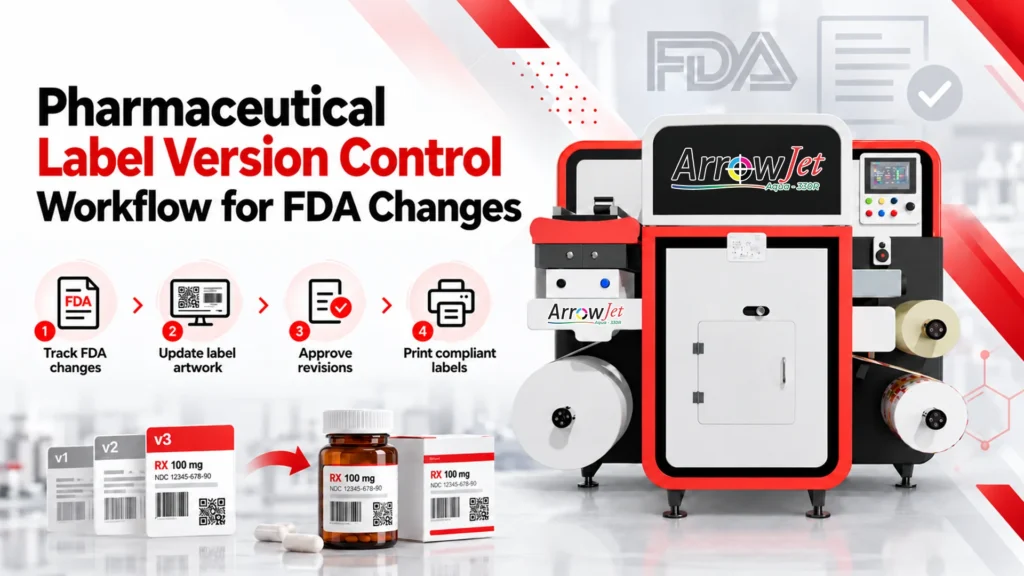
ArrowJet UV 330H digital label press printing FDA UDI-compliant medical device labels on durable synthetic substrates.

Medical Device Labels: UDI Requirements, FDA 21 CFR Part 801, and Printing Considerations

Table of Contents Medical Device Labels: UDI Requirements, FDA 21 CFR Part 801, and Printing Considerations FDA 21 CFR Part 801 and the UDI rule together define what must appear on every medical device label — from manufacturer identity to GUDID-linked barcode identifiers. Medical device labels must satisfy two stacked federal requirements: FDA 21 CFR

Medical Device Labels: UDI Requirements, FDA 21 CFR Part 801, and Printing Considerations Read More »

Digital label printer producing USDA FSIS-compliant food labels for a meat and poultry processing operation.

USDA Food Label Guidelines: Six Common FSIS Labeling Mistakes to Avoid

Table of Contents USDA Food Label Guidelines: Six Common FSIS Labeling Mistakes to Avoid USDA FSIS food label approval is blocked most often by six recurring mistakes — all avoidable before artwork goes to print. USDA’s Food Safety and Inspection Service (FSIS) governs labeling for meat, poultry, catfish, and processed egg products and requires pre-market

USDA Food Label Guidelines: Six Common FSIS Labeling Mistakes to Avoid Read More »

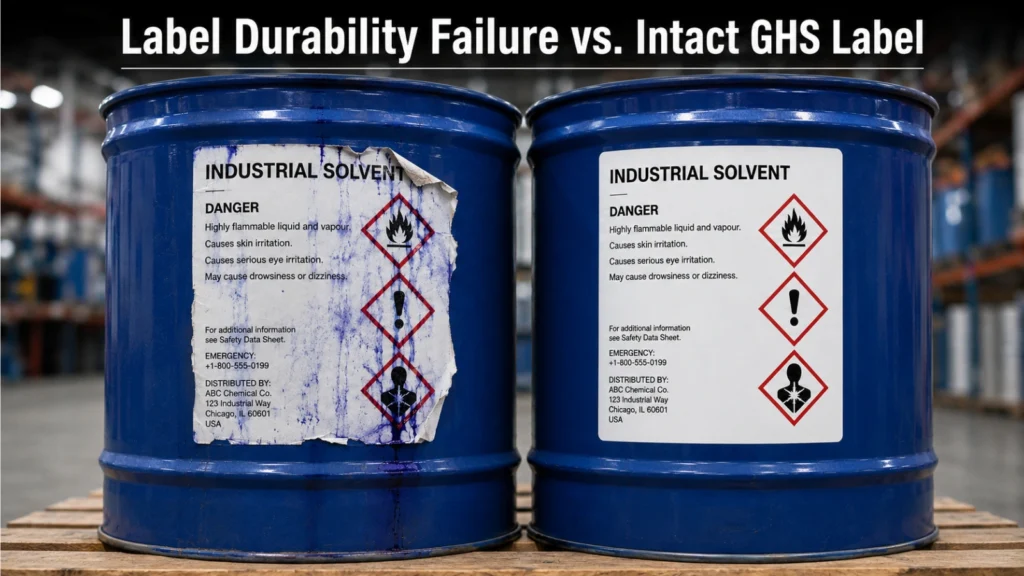
GHS Label Printing: HazCom 2012 Compliance for Chemical Manufacturers

Table of Contents GHS Label Printing: HazCom 2012 Compliance for Chemical Manufacturers OSHA HazCom 2012 requires six GHS label elements on every shipped chemical container — in-house digital printing keeps labels current, durable, and audit-ready. GHS label printing under OSHA’s HazCom 2012 standard (29 CFR 1910.1200) requires every shipped container of a hazardous chemical to

GHS Label Printing: HazCom 2012 Compliance for Chemical Manufacturers Read More »