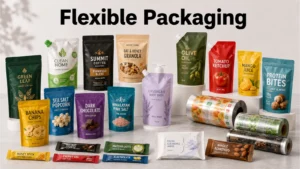
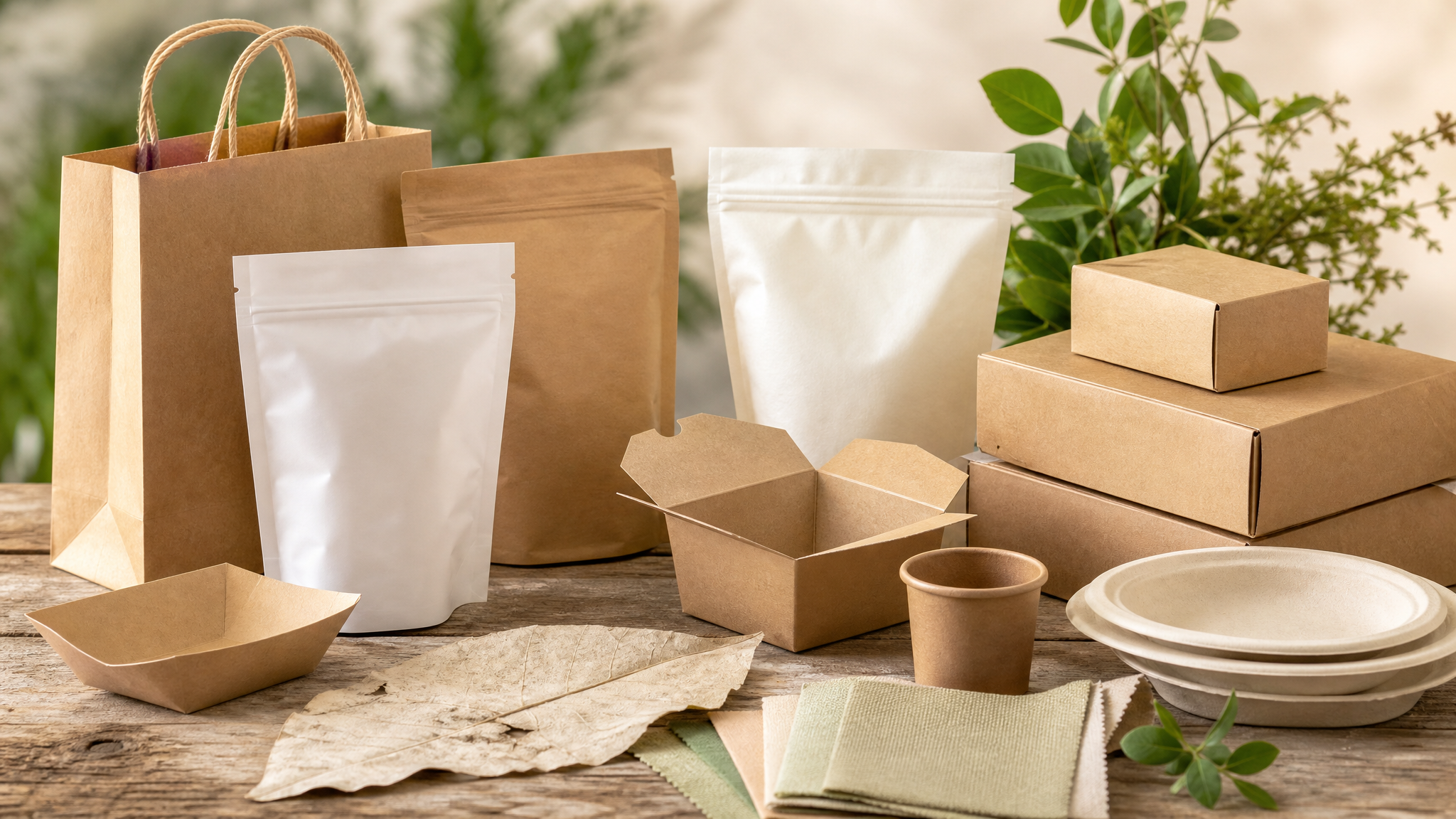
Short answer: Brands are exploring biodegradable and more sustainable custom packaging because consumers respond to visual presentation, personalization, and environmental responsibility. Custom boxes and bags can support brand awareness while helping businesses move beyond generic single-use packaging.
Packaging has become a brand channel, not just a container. The original article connects the growth of custom printed bags and boxes with personalization, customer retention, visual appeal, and the push toward more eco-friendly packaging choices.
Why custom packaging matters
A product’s box, bag, or pouch can influence how customers perceive the brand before they touch the product itself. The source notes that brands use customized printed bags and boxes to improve customer experience, increase visibility, and create a more appealing presentation.
Custom packaging can also produce repeated brand exposure as the package moves through retail, shipping, gifting, or social sharing. That visibility is one reason food, cosmetics, personal care, health and wellness, apparel, and other industries invest in packaging design.
Where biodegradable and eco-friendly packaging fit
Moving away from single-use plastics is not simply a design trend. It reflects pressure from consumers, retailers, and brands to reduce environmental impact. Biodegradable custom packaging boxes and bags can be part of that shift when the materials are selected carefully and matched to the product’s protection needs.
Important note: “biodegradable,” “compostable,” “recyclable,” and “recycled” are not interchangeable terms. Any sustainability claim should be backed by the actual material specification, supplier documentation, and applicable local requirements.
Common segments for custom boxes and bags
The original article references demand from food packaging and cosmetics, along with applications across retail goods, grocery, merchandise, beauty products, stationery, gifts, pharmaceuticals, agriculture, apparel, and personal care.
These categories often benefit from short-run or variable packaging because brands may need different flavors, scents, sizes, promotions, regions, or seasonal designs.
Why short-run digital packaging is useful
Digital printing can help brands produce smaller quantities, change artwork more quickly, and support promotional packaging without committing to large minimums. The source specifically points to flexibility in customization and the ability to print smaller orders.
Planning a biodegradable custom packaging program
- Define the product’s protection requirements first.
- Confirm the actual sustainability attributes of each material.
- Choose artwork that works on the selected substrate.
- Test handling, shipping, moisture, and shelf-life conditions.
- Keep environmental claims specific and documented.
Evaluate the complete workflow
Do not evaluate a biodegradable custom packaging program in isolation. Map package function, material composition, coatings, inks, adhesives, barrier needs, disposal route, local infrastructure, environmental claims, print method, and order size. A constraint after printing can determine usable capacity just as easily as the print engine or cutter. Put the requirements in writing, separate must-haves from preferences, and ask vendors to identify assumptions behind every recommendation.
Use a simple job matrix rather than one average volume. Include the smallest and largest formats, normal and peak quantities, repeat work, rush work, seasonal changes, and the jobs that currently produce the most waste or delay. For related background, review Arrow’s custom package overprinting workflow and eco-friendly packaging planning.
| Decision area | What to document | Why it matters |
|---|
| Application | Format, material, dimensions, graphics, end use | Defines the physical and visual requirements |
| Demand | Run lengths, SKUs, peaks, reorder pattern | Reveals setup and capacity pressure |
| Workflow | Prepress, printing, converting, inspection, packing | Exposes handoffs and hidden labor |
| Support | Training, service response, parts, consumables | Shapes operating risk after installation |
Run a controlled production test
Ask for a trial using the complete package under filling, sealing, shipping, storage, moisture, abrasion, and expected disposal conditions; obtain supplier documentation for every environmental claim. Agree on test conditions before the demonstration and retain approved samples. A polished sample made on an unspecified stock is not enough. The trial should show how the process handles ordinary work, difficult work, and changeovers.
Record setup time, sellable output, waste, operator actions, defects, rework, consumables, and finishing performance. Check the sample after realistic handling rather than only when it leaves the machine. If barcodes, variable data, seals, adhesives, coatings, or regulated packaging are involved, validate those functions with the appropriate specialist.
Environmental terms should be precise and qualified. The FTC Green Guides distinguish claims such as degradable, compostable, recyclable, recycled content, and renewable materials. Confirm evidence, likely disposal conditions, and local infrastructure before placing a claim on a package. Requirements vary by market, and this article is practical general information rather than legal advice.
Compare cost, capacity, and operating risk
“Biodegradable,” “compostable,” and “recyclable” are not interchangeable. Performance and available disposal infrastructure vary, and environmental marketing claims need clear, supportable qualifications.
Build a total-workflow estimate that includes equipment, tooling, software, materials, consumables, labor, training, maintenance, utilities, quality checks, waste, floor space, and outside services that remain necessary. Model a normal month and a peak month. Finally, document who owns artwork approval, material release, production sign-off, preventive maintenance, and escalation when a job fails. That operating plan is often more useful than a feature list.