
5 Packaging Mistakes Businesses Make and How to Prevent Them
Knowing your product packaging is becoming just as important as the product itself. With an increase in online e-commerce and rise of the Covid-19 pandemic, the uptick in demand for quality product packaging has taken a big leap.
Customers want their purchases as fast as possible and their packaging to look just as unique as the product it holds. Many businesses continue to underestimate the importance of quality packaging, which oftentimes comes with the unknowns of moving into new territory. Quality packaging not only secures the goods, but it also acts as the customer’s initial impression of the company that manufactured it.
It’s about brand identity – if your packaging looks too similar to another product on the shelf, it can be difficult for people to tell your product apart, and that can damage your customer’s overall experience. Worse yet, a great customer experience can be missed and with it, less customer interaction, less word of mouth, and a missed opportunity to engage your target audience.
Knowing how to get people to respond favorably to your packaging will help your business grow, and diminish some of the understandable frustration customers may feel while voicing their grievances about the state of your poorly packaged product.
A positive customer experience might only last a couple of seconds, but when it comes to great packaging design and brand recognition, you only have a few short moments to make the right impression. Using social media platforms can also help get the word out, but on the shelves, you only have one chance to get it right.
A great package design can increase customer loyalty and manage customers’ expectations. Keeping your package design customer centric, is the best strategy to take while trying to come up with the best solution for your customers.
Here are some of the most common errors businesses make when it comes to packaging, and how they can be prevented:
#1: Using Flimsy Material
Like anything else, a good eye-catching label begins with the right foundation. The quality of the material used is just as important as all the other aspects of the packaging process, but it’s the first line of defense when it comes to brand awareness. 
Businesses that buy a lot of cardboard or corrugated materials can easily overlook them as cheap, disposable, bulk resources that they buy without considering the quality. However, not all cardboard is the same. Depending on the grade and thickness, the material can be stronger and more durable. Depending on where it’s purchased, the material can be made of low-quality wood from overseas, or might become damaged while in transit.
To avoid using low-quality packaging, consider partnering with a packaging company that can keep tabs over quality control standards and test whether the packaging meets those requirements, ensuring that your customers enjoy your product, write a positive review, and keep coming back.
#2: Generic, Lackluster Designs
Representation; it often gets overlooked, but your product is anything but ordinary. Although Minimalism seems to be a rising trend, it does not work in every instance. Aesthetically pleasing packaging is a missed opportunity if it doesn’t captivate your audience and make an immediate impact.
If you want your product to stand out from compactors and be memorable to customers, try creating a custom designed package. Pay attention to what the competition is doing to make the right impression on consumers – and not undermine your brand.
#3: Illegible Prints & Labels
White space is a valuable benefit to the label making process in order to achieve a well-balanced design. Improve the legibility and clarity of your labels by incorporating enough white space that is evenly distributed to help make your labels pop.
Too much color can seem overbearing and prevent that crucial recognition needed to reach more customers. The color, brightness, and graphics of your packaging attracts consumers when browsing the similar options of your specific product.
#4: Forgetting Function
The most irritating packaging faux pas are on a long list: the packaging is hard to open, to resealable packages that won’t reseal, and containers are too flimsy. Whatever the reason, poor packaging can ruin a good product and worse, damage 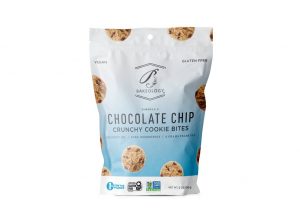 your reputation as a reliable, quality, brand.
The packaging itself needs to be easy to use and the material needs to reflect the product inside. It’s all part of packaging processes that can be easily forgotten or ignored.
#5: Give Yourself Time
You might not get it on the first try, and that’s OK. It’s necessary for brands to change overtime, so give yourself some time to adjust and listen to your customers. Work through your designs by testing out different materials and see which material works best with your design.
Are you designing something with bold and bright colors that requires a high-gloss finish, but you’re printing on thin matte craft paper that won’t hold? Make sure your materials work with your design rather than against it to avoid the potential fallout and costly mistake.