UV vs. Aqueous Inkjet for Custom Cosmetic Labels: A Buyer’s Guide
Table of Contents UV vs. Aqueous Inkjet for Custom Cosmetic Labels: A Buyer’s Guide UV and aqueous inkjet serve different cosmetic label scenarios — UV

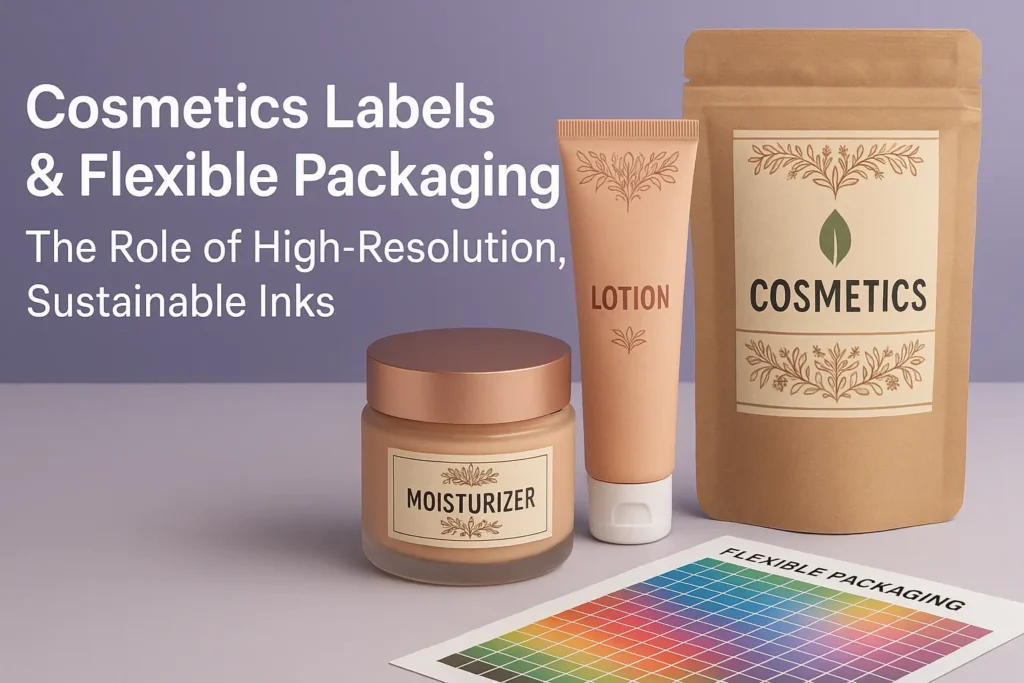
In the dazzling world of cosmetics—where shelf appeal is almost as important as formulation—a label isn’t just a label. It’s a brand’s handshake, first impression, promise of quality. Beauty brands everywhere are under soaring pressure: crisp visuals, vibrant colors, luxe finishes and compliance with environmental, health, and safety standards.
Cosmetic labels must marry brand aesthetics (gloss, sharpness, color fidelity, tactile finish) with regulatory compliance (safety of inks, sustainability of materials, environmental footprint). In today’s market, anything less than excellence risks being lost in the sea of competitors—or worse, being flagged for non-compliance.
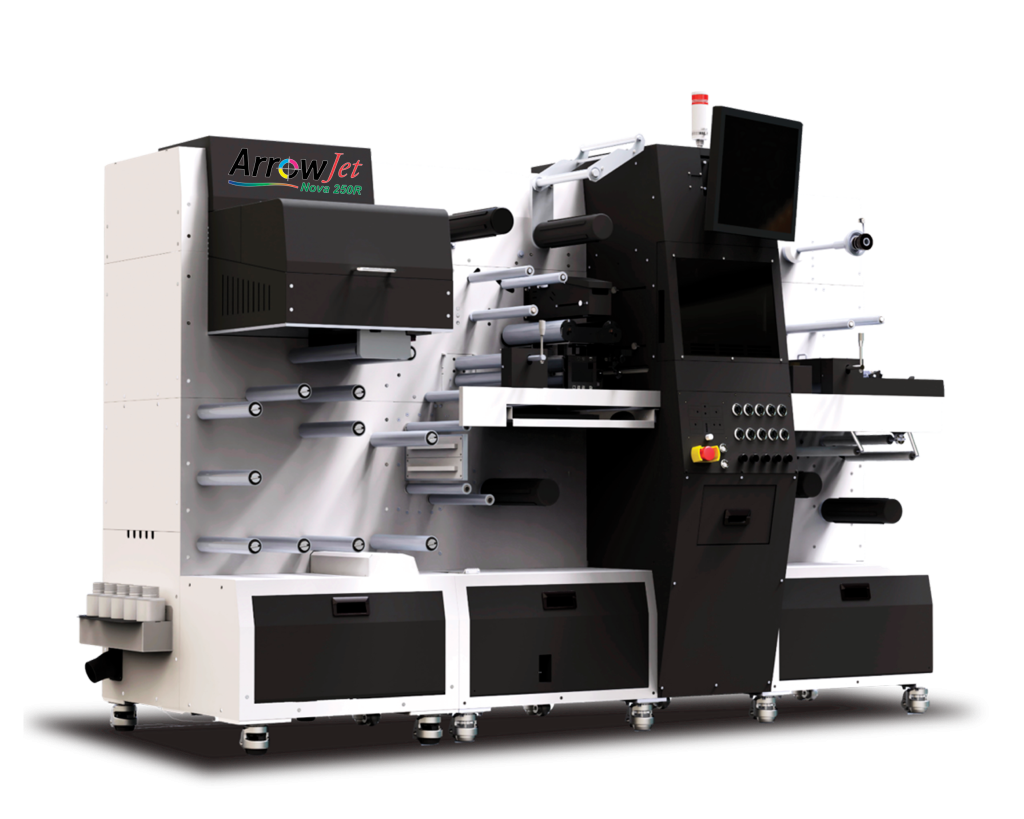
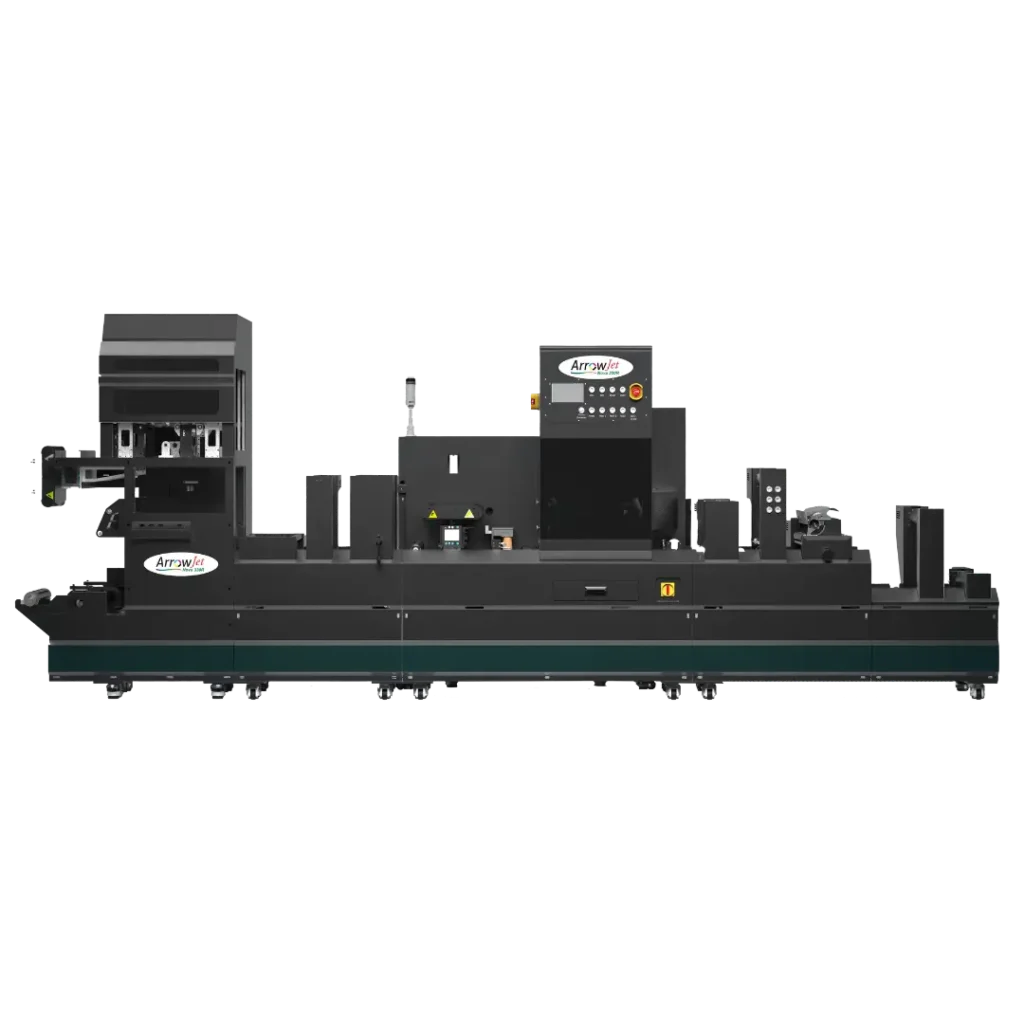
That’s where printers like the ArrowJet Nova 250R and ArrowJet Nova 330R step in. These aren’t just machines: they represent a solution—one that helps cosmetics brands deliver high-end visual branding and sustainable, safe, regulatory-friendly packaging.
Here are the chief challenges in label/flex-pack printing for cosmetics:
So: cosmetic brands need a solution that lets them produce visually striking labels/flexible packaging in-house or on demand, with high resolution, sustainable ink options, inline finishing, minimal waste, and regulatory peace of mind.
These two machines from Arrow Systems are designed precisely for these challenges. Let’s look at how they tackle the problem through their features, and why they’re particularly well suited for cosmetics brands.
A cosmetics brand typically has a wish-list:
Here’s how the ArrowJet Nova pair addresses those trade-offs:
Aspect | What brands demand | How Nova 250R / 330R address it |
Print Quality | High resolution, sharp detail, vibrant color, consistency across batches | Both machines offer 1600×1600 dpi resolution. Nova 330R uses Memjet DuraFlex engine for stable, high fidelity color. Nova 250R’s inline Memjet inkjet + laser die-cutting ensures clean edges. |
Finishing & Shape Complexity | Unique die-cut shapes, perforations, half cuts, sticker/cut-outs, custom geometries | Inline laser die-cutting (full, half, perforation, marking, scribing) built in. Cut-to-part for stickers on Nova 250R; Nova 330R with laser finishing system. |
Ink Safety / Regulatory Compliance | Safe for skin contact or proximity, compliant with regional/global safety systems, low VOCs, minimal migration | Water-based inks, pigment options, Nestlé Guidance compliance, cartridges or bulk ink systems reducing potential contamination, better control over chemistry. |
Material / Substrate Versatility | Want to use paper, PE, PP, PET, maybe bio-materials, laminates, foils, films; also ability to apply coatings / lamination | Nova 330R supports laminator, treatments; Nova 250R has overprinting systems. Both support varied substrates. Novas accept thinner or thicker substrates depending on configuration. |
Eco / Sustainability | Reduce waste, use renewable/recyclable materials, lower environmental impact of inks & coatings | Less coating weight needed (Nova 330R), water-based inks (lower VOCs, safer disposal), inline finishing reduces waste, dual rewinders, efficient job changeover reducing scrap. |
Turnaround & Flexibility | Short runs, custom jobs, seasonal packaging, frequent design changes, minimal lead time | Inline systems; job-changeover, barcode reader options; cut to part; ability to print + cut in one pass. Nova 250R: smaller width so more nimble for smaller jobs; Nova 330R: higher capacity for larger runs but still flexible. |
To appreciate why “1600×1600 dpi + water-based / pigment inks + inline finishing” is more than marketing speak, here are some technical & practical elements brands must get right.
So machines like Nova 250R / 330R using water-based pigment / water-based inks (with responsible compliance, e.g. Nestlé Guidance) are better suited for cosmetics labels that need safety + aesthetics.
To show how cosmetics brands might choose between them:
Brand Scenario | Which Machine Fits Best |
Indie brand with 10-20 SKUs: bottles, small labels, seasonal labels, frequent design changes, smaller runs | Nova 250R. Narrower width, more agile. Cut-to-part stickers, quicker job changeovers; cost of machine lower; inline finishing helps avoid outsourcing. |
Mid-sized brand launching new flexible pouches, outer packaging, wanting more art coverage, larger labels, higher volumes, multiple SKUs with consistent high volume | Nova 330R. Larger media width, faster print & cut, supports laminating etc.; better suited when scale & speed are needed. |
However, many brands will use both in their ecosystem: the 250R for prototyping, limited editions, or small-batch specialty items; the 330R for mainline runs or flexible packaging where size / volume matter.
Here are actionable recommendations for brands:
While Nova 250R and 330R are powerful tools, brands should be aware of:
In sum: for cosmetics brands striving to look premium, stay safe, and be sustainable, the combination of:
…makes the ArrowJet Nova 250R and Nova 330R strong contenders.
When done thoughtfully—selecting substrate, managing inks, proofing, finishing—cosmetics labels produced on these machines can reinforce brand identity, meet regulatory/environmental demands, and even become a marketing point themselves.

Table of Contents UV vs. Aqueous Inkjet for Custom Cosmetic Labels: A Buyer’s Guide UV and aqueous inkjet serve different cosmetic label scenarios — UV

Table of Contents Vintage Label Design Styles: A Reference Guide for Producers and Brand Owners Vintage label design draws from a specific visual history. The

Table of Contents Label Adhesive Types, Properties & Selection Guide The right label adhesive depends on the surface, temperature, shape, and conditions of the application

Table of Contents Label Trends: Minimalist Label Design Minimalist label design removes clutter — nude palettes, gradients, transparent labels, and smart-labels let the product speak

Table of Contents Tamper-Evident Label Printing: How to Choose the Right System Match tamper-evident label type — void, breakaway, or destructible — to product risk,

Table of Contents Skincare Label Printing: Materials, Inks & FDA Rules Skincare labels must withstand moisture, oils, friction, and aggressive formulation actives while meeting FDA