Table of Contents
The Ultimate Guide to Bottle Labels: Everything You Need to Know
Bottle labels are adhesive-backed graphics applied to glass, plastic, or metal containers to identify products, display branding, provide regulatory information, and communicate essential details to consumers. Bottle labels come in various types including pressure-sensitive labels, shrink sleeves, and cut-and-stack formats—each suited to different bottle shapes, materials, and durability requirements.
Bottle labels do more than identify your product—they’re your silent salesperson on the shelf. Whether you’re labeling wine bottles, juice containers, cosmetics, or chemical drums, choosing the right label material, adhesive, and finish determines how your product performs in retail environments, withstands moisture, and communicates your brand. This guide covers bottle label types, materials, design considerations, and printing options from digital short runs to high-volume flexographic production.
Introduction
Bottle labels are more than just pieces of paper or plastic stuck onto bottles. They serve as the face of the product, conveying vital information, attracting customers, and differentiating the brand in a crowded marketplace. Whether you’re in the food and beverage industry, pharmaceuticals, or cosmetics, understanding the intricacies of bottle labeling is crucial. This comprehensive guide will walk you through everything you need to know about bottle labels.
The Basics of Bottle Labels
What are Bottle Labels?
Bottle labels are adhesive stickers or tags applied to bottles to provide information about the product inside. They can include brand names, logos, ingredients, instructions, and other essential details.
Types of Bottle Labels
- Wrap-around Labels: Cover the entire circumference of the bottle.
- Pressure-sensitive Labels: Easy to apply and stick to the bottle with pressure.
- Shrink Sleeve Labels: Wrap around the bottle and shrink when heat is applied.
- In-mold Labels: Integrated into the bottle during the manufacturing process.
Types of Bottle Labels
Type | Best For | Application | Durability | Cost |
Pressure-Sensitive | Most applications | Automated labeler | Good | $ |
Shrink Sleeve | Full-wrap coverage | Heat tunnel | Excellent | $$ |
In-Mold | Permanent branding | During molding | Permanent | $$$ |
Cut-and-Stack | High-volume commodity | Glue application | Fair | $ |
Pressure-Sensitive Clear | “No-label” look | Automated | Very Good | $$ |
Tamper-Evident | Security/sealing | Manual/auto | Good | $ |
Materials Used in Bottle Labels
Paper Labels
Paper labels are cost-effective and versatile, suitable for many products. They can be coated or uncoated, depending on the desired finish.
Plastic Labels
Plastic labels are durable and resistant to moisture and chemicals, making them ideal for products like beverages and cleaning supplies.
Foil Labels
Foil labels add a premium look with their metallic finish, often used for luxury products like wines and spirits.
Bottle Label Materials
Paper Labels
- Coated Paper: Vibrant colors, wine/spirits, dry environments
- Uncoated: Natural/organic look, textured feel
- Parchment: Specialty/premium positioning
- Limitations: Not waterproof, may wrinkle with condensation
Film Labels (Vinyl/Synthetic)
- BOPP (Biaxial PP): Most popular, moisture/chemical resistant, clear or white
- Vinyl: Conformable for curved surfaces, outdoor durability
- PET/Polyester: Premium, rigid, excellent clarity
- Advantages: Waterproof, won’t tear, survives temperature changes
Specialty Materials
- Metallized: Premium/cosmetic look
- Textured: Linen, embossed, tactile
- Dissolvable: Sustainability/specialty
- Plant-Based: Eco-friendly options
Material Selection Guide:
Product Need | Recommended Material |
Moisture-sensitive | PET/ALU/PE, Mylar |
Grease/fatty foods | OPP/CPP, Metallized film |
Clear visibility | PET, BOPP |
Sustainability priority | Paper/PLA, Mono-PE |
Oxygen-sensitive | EVOH barrier layers |
Label Sizing by Bottle Type
Bottle Size | Typical Label Size | Common Products |
Wine (750ml) | 3.5″ x 4″ – 4″ x 6″ | Wine, spirits |
Beer (12oz) | 2.5″ x 4″ – 3″ x 5″ | Craft beer, cider |
Juice (16oz) | 2″ x 6″ – 3″ x 5″ | Juice, cold brew |
Cosmetic (2-8oz) | 1.5″ x 4″ – 2.5″ x 4″ | Serums, lotions |
Pharma (4-16oz) | 2″ x 3″ – 3″ x 5″ | Supplements, tinctures |
Chemical/Gallons | 4″ x 6″ – 8.5″ x 11″ | Cleaning, industrial |
Designing Bottle Labels
Essential Design Elements
Creating an effective bottle label involves several key elements:
- Brand Name and Logo: The most prominent part of the label.
- Product Information: Ingredients, usage instructions, and other relevant details.
- Visuals: Images or graphics that represent the product.
Color Psychology in Labels
Colors evoke emotions and can influence purchasing decisions. For example, green often indicates natural or organic products, while red can stimulate appetite.
Typography and Fonts
Choosing the right fonts is essential for readability and brand identity. Serif fonts can convey tradition and reliability, while sans-serif fonts are modern and clean.
Design Best Practices
Hierarchy of Information:
- Brand Name: Largest, most prominent
- Product Name: Clear, readable
- Visual/Graphics: Color, imagery
- Required Info: Ingredients, warnings, net contents
- Supporting: QR codes, certifications, social proof
Technical Considerations:
- Safety Zone: Keep critical text 0.125″ from edges
- Bleed: Allow 0.125″ extra for cutting
- Barcodes: Minimum 1.5″ x 1″ for reliable scanning
- Font Size: Minimum 6pt body text, 4pt for fine print
Color Specifications:
- PMS Matching: Brand color consistency
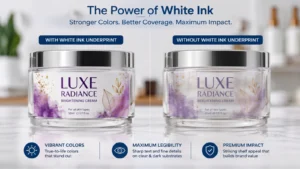
- White Ink: Required for clear labels on dark bottles
- Finish: Gloss for pop, matte for sophistication
Types of Bottle Labels
1. Custom Wine Bottle Labels
When designing custom wine bottle labels, consider the aesthetic appeal and how well the label complements the wine’s branding. The ArrowJet Aqua 330R’s high-resolution printing ensures that intricate designs and text are clear and vibrant.
- Design Considerations: Consider the aesthetic appeal and how well the label complements the wine’s branding.
- Printing Specifications: Ensure your design fits the printer’s specifications for size and material to achieve the best results.
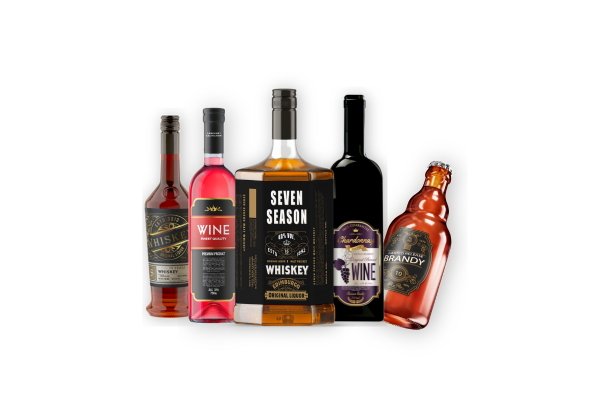
Custom Wine Labels
2. Bottle Labels for Daycare
Labels for daycare bottles must withstand frequent washing and handling. The ArrowJet Aqua 330R’s robust printing technology ensures these labels remain intact and legible.
- Durability and Safety: Must withstand frequent washing and handling.
- Customization Options: Create labels with vibrant colors and personalized information for identifying bottles in a daycare setting.
3. Baby Bottle Labels
Baby bottle labels need to be easily readable and safe. The ArrowJet Aqua 330R provides high-quality prints that are both durable and easy to read.
- Importance of Clear Labeling: Must be easily readable and safe.
- Safety and Usability: Ensure labels are free from harmful chemicals and adhere well to baby bottles.
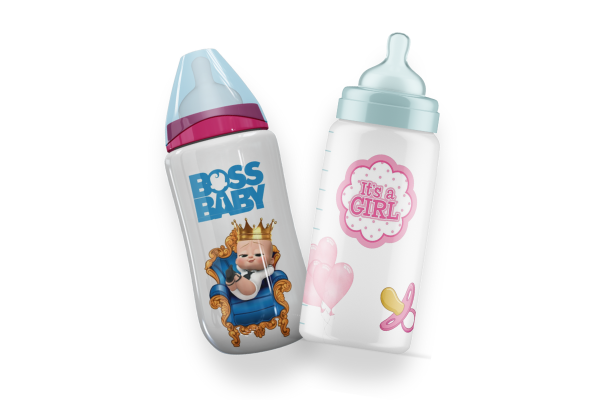
Baby Bottle Labels

4. Custom Label Water Bottles
Custom labels on water bottles are an excellent way to promote brands and products. The ArrowJet Aqua 330R allows for creative designs that can make your water bottles stand out.
- Branding and Design Flexibility: Creative designs that make water bottles stand out.
- Applications in Marketing: Effective for promotional events and personalized packaging, enhancing brand visibility.
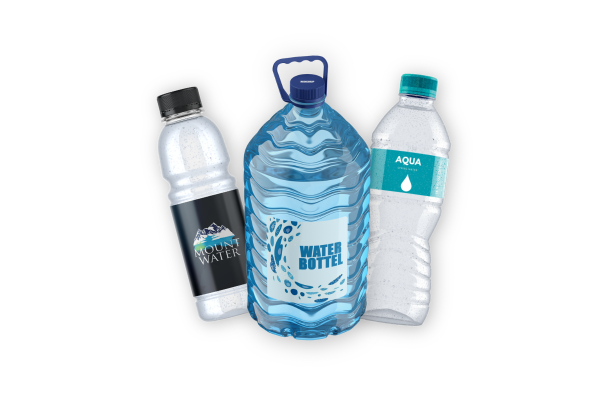
Custom Watter Bottle Labels
5. Beer Bottle Labels
The beer industry often features bold, creative labels. With the ArrowJet Aqua 330R, you can produce high-quality, eye-catching labels that capture attention.
- Trends and Creative Designs: High-quality, eye-catching labels that capture attention.
- Compliance with Regulations: Ensure your labels meet industry regulations regarding information and legibility.
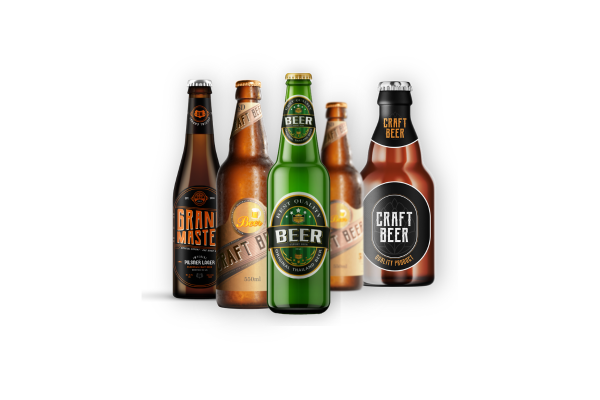
Beer Bottle Labels
Printing Techniques for Bottle Labels
Digital Printing
Digital printing offers high-quality, full-color labels with quick turnaround times, ideal for small to medium runs.
Flexographic Printing
Flexographic printing is suitable for large volumes, providing consistent quality and a wide range of materials.
Offset Printing
Offset printing is excellent for high-volume orders, offering precise color matching and high-quality results.
Why Choose ArrowJet Aqua 330R for Bottle Labels?
Increased Efficiency: With its high-speed printing capability of 90 feet per minute, the ArrowJet Aqua 330R enables label converters to handle large volumes quickly, reducing turnaround times and increasing productivity.
Enhanced Print Quality: The printer’s high resolution of 1600 x 1600 dpi ensures that every label is produced with exceptional clarity and vibrancy. This high-quality output enhances the overall appearance of labels, which can lead to higher customer satisfaction and repeat business.
Versatile Application: The ArrowJet Aqua 330R’s ability to print on various materials and sizes means that label converters can offer a broader range of products to their clients. This versatility allows converters to cater to diverse market needs, from custom wine and beer labels to baby and water bottle labels.
Cost Savings: The printer’s efficient ink usage and minimal waste help to lower production costs. The use of aqueous pigment inks, which are often less expensive and more environmentally friendly than solvent-based inks, contributes to overall cost savings while maintaining high-quality results.
Regulatory Compliance: With Swiss compliant inks, the ArrowJet Aqua 330R ensures that labels meet stringent environmental and safety standards. This compliance can be a key selling point for clients who need to meet regulatory requirements, enhancing the converter’s reputation for quality and reliability.
Competitive Edge: The combination of speed, quality, and regulatory compliance allows label converters to offer premium products and services. This competitive edge can attract new clients and retain existing ones, boosting business growth and profitability.
Sustainability in Bottle Labels
Eco-friendly Materials
Using recyclable or biodegradable materials reduces environmental impact. Options include recycled paper and bio-based plastics.
Sustainable Printing Practices
Eco-friendly inks and energy-efficient printing processes contribute to more sustainable label production.
Trends in Bottle Labeling
Minimalist Designs
Minimalist designs focus on simplicity and clarity, often using clean lines and limited color palettes.
Vintage and Retro Styles
Vintage and retro styles evoke nostalgia and can create a sense of heritage and authenticity.
Interactive Labels
Interactive labels, including AR and QR codes, engage customers in unique ways and provide additional value.
Challenges in Bottle Labeling
Adhesion Issues
Labels must adhere properly to various surfaces and withstand environmental conditions such as moisture and temperature changes.
Environmental Factors
Labels should remain intact and legible despite exposure to sunlight, humidity, and handling.
Cost Considerations
Factors Influencing Costs
Material choice, printing method, design complexity, and order volume all influence the cost of bottle labels.
Budgeting for Bottle Labels
Plan your budget by considering both initial design and production costs and long-term label needs.
FAQs
Bottle labels are typically made of paper (for dry/durable uses) or synthetic films like BOPP, vinyl, or PET (for moisture/chemical resistance). The label face material bonds to a backing liner via adhesive.
BOPP (biaxially-oriented polypropylene) film labels are the best choice for beverage, bath, and outdoor products because they’re fully waterproof, won’t tear, and resist condensation.
Paper labels cost less and print vibrantly but aren’t waterproof and can tear. Vinyl/film labels are waterproof, more durable, and conform better to curved surfaces but cost more.
Measure your bottle’s circumference and decide your coverage area. Leave 0.5-1″ gap for overlap on wrap-around labels. Test with paper templates before printing.
Yes. For small quantities (under 500), desktop label printers work. For professional results at 500+ labels, invest in a digital label printer or use a label printing service.
Roll labels are standard for commercial production with automated labelers. Sheet labels work for hand-application or very small quantities. Roll format is more cost-effective at scale.
Yes. Products in refrigerated or cold environments will get condensation. Use BOPP or polyester film labels with permanent adhesive—not paper labels.
Yes. Clear BOPP or PET labels create a premium “printed on bottle” appearance. Use white ink behind elements or screen important text directly on the bottle color.
Key Takeaways
✓ Materials: Paper for dry/cost-sensitive, BOPP film for water/chemical resistance
✓ Best Film: BOPP for general use, vinyl for conformability, PET for premium
✓ Sizing: Always measure actual bottle; leave 0.5″ overlap on wrap labels
✓ Type: Pressure-sensitive for most, shrink sleeves for 360° coverage
✓ Cost Tip: Digital printing economical at 500-5,000 labels; flexo beyond 50K
Conclusion
The ArrowJet Aqua 330R is a versatile, high-performance printer that meets the diverse needs of bottle labeling. Its advanced features ensure that labels are not only visually appealing but also durable and suitable for various environments. Whether it’s for custom wine labels, daycare bottle labels, baby bottle labels, custom water bottle labels, or beer bottle labels, the ArrowJet Aqua 330R delivers exceptional results.
Contact With Our Team Now
Food Packaging

August 25, 2026
No Comments
Blog
August 24, 2026
No Comments
Blog
August 21, 2026
No Comments
Label Printing
August 20, 2026
No Comments
Blade vs. Laser Label Die Cutting: Accuracy, Speed, and Cost per Label
Custom Food Packaging: Key Questions Answered for Food Brands
GHS Label Durability Failure: 4 Causes and Practical Fixes
White Ink Clear Label Printing: When You Need It and Why
GHS Label Compliance: A Practical Guide for Chemical Label Printing