UV vs. Aqueous Inkjet for Custom Cosmetic Labels: A Buyer’s Guide
Table of Contents UV vs. Aqueous Inkjet for Custom Cosmetic Labels: A Buyer’s Guide UV and aqueous inkjet serve different cosmetic label scenarios — UV

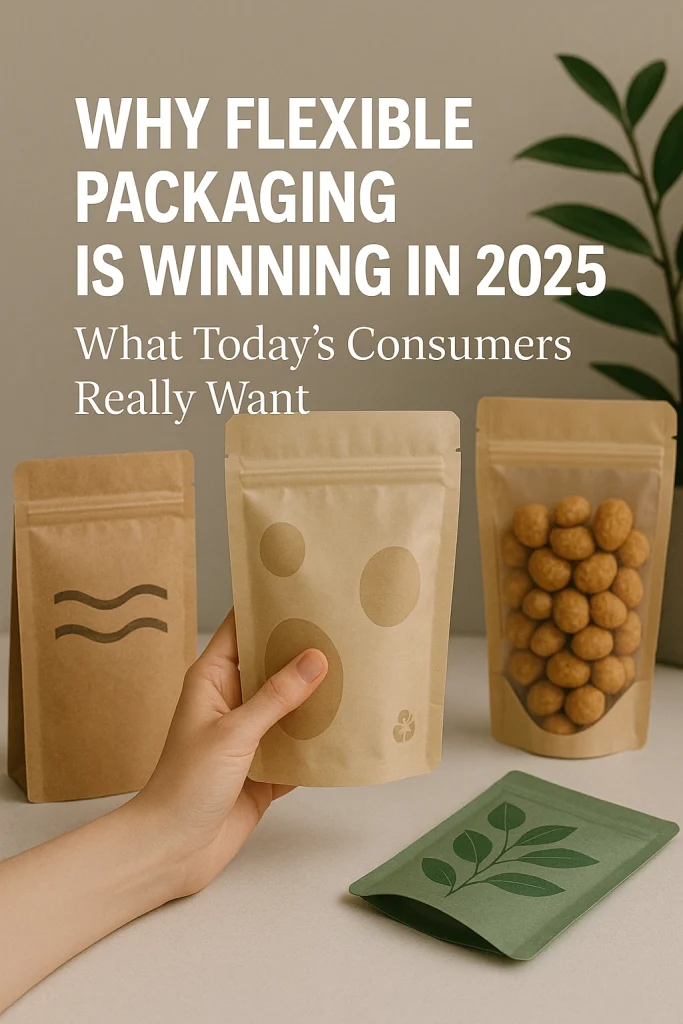
Flexible packaging is no longer just a trend—it’s the new standard. According to Smithers’ 2025 Market report, the global flexible packaging market is expected to surpass $300 billion this year, fueled largely by changing consumer preferences. As lifestyles become faster and more mobile, brands are rethinking their packaging strategies to align with what consumers value most: convenience, resealability, portability, and easy dispensing.
Consumers in 2025 are busier than ever. With the rise of hybrid work, on-the-go lifestyles, and smaller household sizes, the demand for hassle-free packaging has skyrocketed. Take Kraft Heinz, for example. Their new squeeze pouch for mayonnaise has seen a 28% sales increase, primarily because users no longer have to fight with lids or knives.
Convenience in packaging reduces friction. It encourages product use and, more importantly, repeat purchases. Brands like Nestlé and Unilever are now investing heavily in flexible packaging designs that offer intuitive use, saving time and effort for the end-user.
One of the biggest complaints in traditional packaging was spoilage after opening. In response, brands have leaned into resealable pouches and zippers. Kellogg’s snack range now comes with a double-lock seal to retain freshness. This simple innovation has led to an 18% increase in consumer satisfaction, according to internal studies.
Consumers appreciate not having to transfer contents into containers or rely on rubber bands. Resealability not only extends shelf life but also supports portion control, a growing concern among health-conscious buyers.
We live in a grab-and-go culture. Whether it’s gym-goers grabbing a protein bar or busy parents packing snacks, portability is key. In 2025, over 60% of food and beverage purchases are influenced by how easily the product can travel.
Look at brands like Chobani. Their yogurt tubes are not just kid-friendly; they’re adult-approved and ideal for office snacking. Similarly, PepsiCo has launched a range of flexible beverage pods for SodaStream users, catering to consumers who want refreshment without carrying bulky bottles.
Portable packaging needs to be light, durable, and leak-proof—qualities that flexible formats deliver effortlessly.
There’s nothing more frustrating than struggling to get the last bit of product out. Brands are solving this with packaging that prioritizes easy dispensing. Think squeezable sachets, spouted pouches, and single-serve tear packs.
Colgate’s Easy Squeeze toothpaste pack, for example, has eliminated the need to roll and squeeze, reducing product waste by up to 15%. Similarly, baby food brands are adopting soft, squeezable packs with one-hand dispensing, making feeding easier for parents.
This feature is particularly valuable in the personal care and beauty sectors, where precision and portion control matter.
Flexible packaging has gone from niche to mainstream, and brands across categories are innovating to stay ahead.
These examples show that it’s possible to deliver high performance while enhancing user experience.
Today’s consumers expect packaging that is both functional and eco-conscious. Brands are increasingly integrating biodegradable films and recyclable materials into flexible formats. For instance, Method has introduced refill pouches made of mono-materials, which are easier to recycle.
Smart brands are finding the sweet spot between sustainability and convenience. The key lies in material innovation and design that doesn’t compromise usability.
Ensure that the packaging serves a purpose beyond containment. Whether it’s resealing, dispensing, or portability, each feature should enhance the consumer experience.
Use data and reviews to identify pain points. Consumers are vocal about what works and what doesn’t. Iterate accordingly.
Understand your target audience’s daily routines. A fitness enthusiast, for example, will value portability and resealability, while a parent may prioritize easy dispensing.
Eco-conscious consumers are watching. Choose materials and designs that align with sustainability goals without sacrificing functionality.
Pilot new formats in smaller markets. A/B test different packaging types and measure impacts on sales, satisfaction, and brand loyalty.
Adapting your brand to meet evolving packaging preferences doesn’t have to be overwhelming. With the right tools, you can stay competitive while offering your customers exactly what they’re looking for. That’s where the ArrowJet Product Line comes in.
ArrowJet solutions empower brands to produce high-quality, customizable flexible packaging with speed and precision. Whether you’re launching resealable pouches, creating easy-dispense sachets, or developing sustainable mono-material packaging, ArrowJet systems provide the versatility and efficiency to bring your vision to life. These machines are designed to support short runs, reduce waste, and meet the dynamic needs of today’s fast-paced market—making them the perfect ally for brands serious about flexibility, functionality, and innovation.
The future of packaging is flexible, both literally and figuratively. Brands that prioritize consumer preferences around convenience, resealability, portability, and easy dispensing will not only meet expectations but exceed them. The era of rigid, one-size-fits-all packaging is over.
In 2025, packaging is more than protection—it’s part of the product experience. And the brands that get it right will win hearts, shelf space, and market share.
Stay ahead. Stay flexible.

Table of Contents UV vs. Aqueous Inkjet for Custom Cosmetic Labels: A Buyer’s Guide UV and aqueous inkjet serve different cosmetic label scenarios — UV

Table of Contents Vintage Label Design Styles: A Reference Guide for Producers and Brand Owners Vintage label design draws from a specific visual history. The

Table of Contents Label Adhesive Types, Properties & Selection Guide The right label adhesive depends on the surface, temperature, shape, and conditions of the application

Table of Contents Label Trends: Minimalist Label Design Minimalist label design removes clutter — nude palettes, gradients, transparent labels, and smart-labels let the product speak

Table of Contents Tamper-Evident Label Printing: How to Choose the Right System Match tamper-evident label type — void, breakaway, or destructible — to product risk,

Table of Contents Skincare Label Printing: Materials, Inks & FDA Rules Skincare labels must withstand moisture, oils, friction, and aggressive formulation actives while meeting FDA