GHS Label Compliance: A Practical Guide for Chemical Label Printing
Table of Contents GHS Label Compliance: A Practical Guide for Chemical Label Printing GHS label compliance is a safety-critical requirement for any business that manufactures,
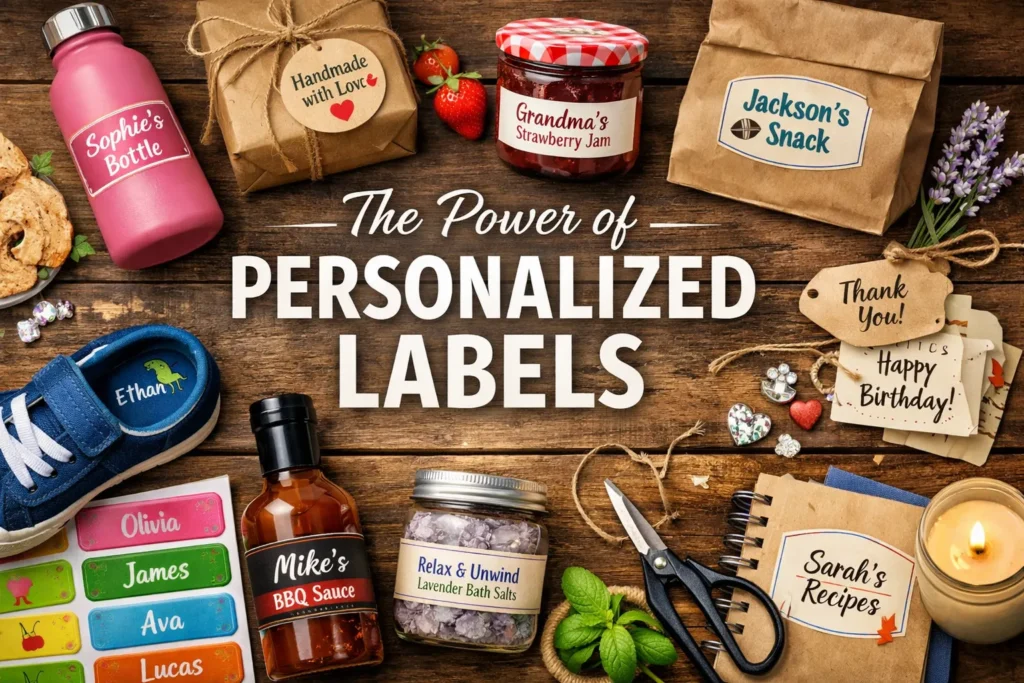
Personalized labels are custom-designed tags, stickers, or packaging elements tailored to represent a brand, product, or message. These labels often include unique designs, customer names, or specific details that resonate with the target audience.
In today’s saturated Market, personalization is king. By leveraging custom labels, brands can create a stronger connection with consumers, making their products more memorable and desirable.
A well-designed personalized label immediately grabs attention. Think of iconic brands whose labels you recognize instantly. That’s the power of personalization—it turns a product into a statement.
Personalized labels create a sense of exclusivity. When customers see their name or a unique message, it sparks joy and fosters loyalty.
Competition is fierce. Unique, visually appealing labels can be the deciding factor in whether a customer picks your product off the shelf or clicks “Add to Cart.”
Custom Wine and Beer Labels: Breweries and wineries often use personalized labels for limited editions or events, giving their products a premium feel.
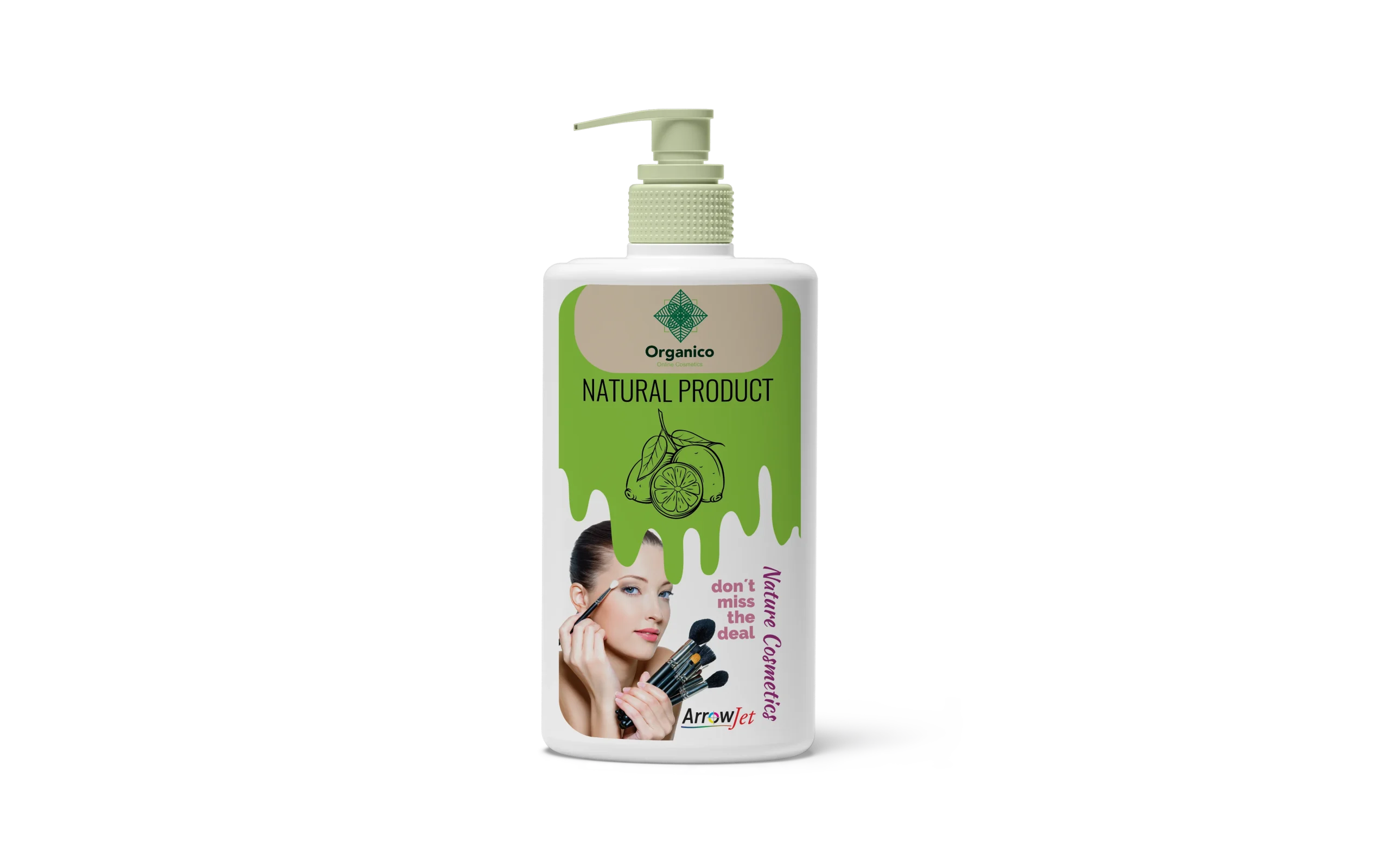
Skincare and Cosmetic Packaging: Custom labels add a touch of luxury to beauty products, aligning with consumer demand for bespoke items.
Subscription Boxes and Gift Wraps: Personalized labels elevate unboxing experiences, turning ordinary packaging into a delightful surprise.
The visual and tactile quality of your label speaks volumes about your brand. Invest in professional printing to ensure your labels leave a lasting impression.
From glossy finishes to eco-friendly kraft paper, the material sets the tone for your product’s presentation.
Your logo, brand colors, and typography should be seamlessly integrated to maintain consistency and reinforce identity.
Advanced digital printing technologies enable small-batch production of custom labels, reducing waste and costs.
This technology allows businesses to print different designs, names, or messages on each label, perfect for personalized campaigns.
Sustainability is crucial. Many brands now use biodegradable or recyclable materials for their labels.
Tailor your labels to your customers’ preferences. What appeals to them? What problems can your product solve?
Colors evoke emotions, and fonts set the tone. Choose wisely to create the desired impact.
Consider QR codes, NFC tags, or AR elements to engage your customers in an innovative way.
This campaign replaced traditional labels with popular names, driving customer engagement and boosting sales worldwide.
Nutella allowed customers to order jars with their names on them, creating a buzz and increasing brand loyalty.
Small businesses on Etsy use personalized labels to make their handmade products even more special.
Custom labels can be expensive, especially for small businesses. Balancing quality with budget is key.
Consistency ensures your brand remains recognizable, even with diverse designs.
Simplicity often works best. Overcomplicated designs can confuse or overwhelm customers.
AI tools are making it easier to create hyper-personalized labels based on consumer data.
AR can turn a simple label into an immersive experience, connecting the physical product with the digital world.
The future of labels lies in eco-friendly materials and processes that cater to environmentally conscious consumers.
Personalized labels are more than just a decorative touch—they’re a powerful branding tool. By tapping into the emotional and practical needs of consumers, they can elevate your product and set you apart in a crowded market. Whether you’re a small business or a large corporation, personalized labels are worth the investment.
Personalized labels are custom-designed packaging elements tailored to reflect a brand’s identity and connect with its audience.
They help increase brand visibility, foster customer loyalty, and differentiate your product in the market.
Yes, many printers offer biodegradable or recyclable materials and sustainable ink options.
Industries like food and beverage, beauty, e-commerce, and retail see significant benefits from custom labels.
Start by understanding your target audience, investing in quality design and materials, and leveraging digital printing technologies.

Table of Contents GHS Label Compliance: A Practical Guide for Chemical Label Printing GHS label compliance is a safety-critical requirement for any business that manufactures,

Table of Contents Cannabis MSO Label Printing: In-House or Outsource? Cannabis MSO label printing moves in-house when label versions outgrow converter minimums or batch data

Table of Contents Why Print Your Own Product Labels: Speed, Control, and On-Demand Flexibility In-house digital label printing removes outsourcing delays, eliminates minimum order quantities,

Table of Contents Craft Brewery In-House Label Workflow: Design File to Roll An in-house brewery label workflow is a four-step chain: controlled artwork, a calendar-driven

Table of Contents Aqueous vs. UV Inkjet Pharmaceutical Labels: What GMP Requires No FDA regulation names a compliant ink chemistry — GMP governs label accuracy,

Table of Contents Color Sticker Printer for Business: 4 Reasons to Print In-House Businesses invest in a color label printer to reduce dependence on outside