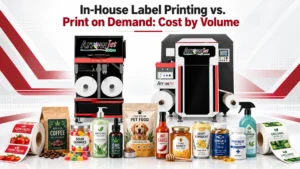
In-House Label Printing vs. Print on Demand: Cost by Volume
Table of Contents In-House Label Printing vs. Print on Demand: Cost by Volume In-house label printing vs. print on demand comes down to a cost-per-label

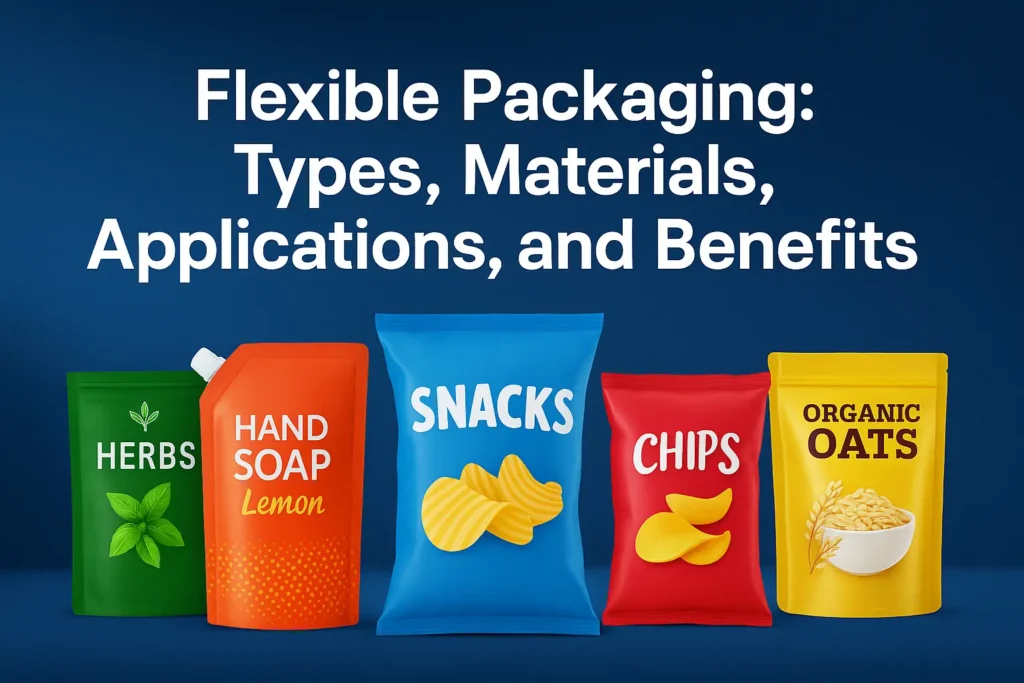
Flexible packaging refers to any package or container made of easily yielding materials — such as paper, plastic film, foil, or combinations thereof — that can be bent, folded, or shaped to fit contents. Unlike rigid packaging (bottles, jars, cans), flexible packaging conforms to product shape, offering superior space efficiency, lighter weight, and lower shipping costs.
Flexible packaging is the fastest-growing segment in packaging, now representing over 30% of the $1 trillion global packaging market. From stand-up pouches and flat bags to shrink sleeves and films, flexible formats offer brands unmatched versatility, sustainability benefits (less material per unit), and consumer convenience features like resealable zippers. This guide covers flexible packaging types, materials, ideal applications, and how digital printing is transforming short-run flexible packaging economics.
Flexible packaging refers to packaging made from materials that can easily change shape—such as plastic films, paper, aluminum foil, or laminates. Unlike rigid packaging, it adapts to the product it contains, making it versatile, lightweight, and cost-effective. Today, flexible packaging dominates industries ranging from food and beverages to pharmaceuticals and cosmetics because of its durability, printability, and strong barrier properties that preserve product freshness.
In this comprehensive guide, we’ll explore the overview of flexible packaging, the main types, materials used, its applications across industries, and the advantages driving its global adoption.
Flexible packaging is designed to bend, fold, or reshape while still protecting the product inside. It includes bags, pouches, liners, tubes, wraps, and laminated rolls. The adaptability of these formats makes them ideal for both everyday consumer goods and specialized industrial products.
Brands prefer flexible packaging because it:
Equally important, barrier properties such as resistance to moisture, oxygen, light, and contaminants help extend product shelf life—an essential factor for perishable goods.
Flexible packaging comes in different formats, each suited for specific products and industries. Here’s a complete comparison of the main types:
Type | Description | Best For | Examples |
Stand-Up Pouch | Bottom-gusseted bag with vertical stability | Snacks, liquids, powders | Coffee, pet food, supplements |
Flat Pouch | Simple two or three-seal bag | Samples, single-serve | Candy, condiments, wipes |
Quad-Seal Bag | Four-side seal with flat bottom panel | Heavy products needing stability | Coffee, rice, pet food |
Pillow Pouch | Top and bottom seal, no gusset | High-speed VFFS production | Chips, granola, pasta |
Spouted Pouch | Rigid spout for controlled dispensing | Baby food, beverages | Yogurt drinks, purees |
Vacuum Bag | Multi-layer barrier for long shelf life | Meat, cheese, deli | Jerky, deli meats, cheese |
Mylar Bag | Foil-laminated polyester barrier film | Long-term storage, cannabis | Emergency food, supplements |
Shrink Film | Heat-shrunk tight-fit film | Bundling, tamper-evidence | Water bottles, multi-packs |
Tube | Controlled dispensing via squeeze action | Personal care, pharma | Toothpaste, gels, creams |
Roll/Laminated Film | Continuous roll for form-fill-seal machines | Automated high-speed production | Candy bars, snack wrappers |


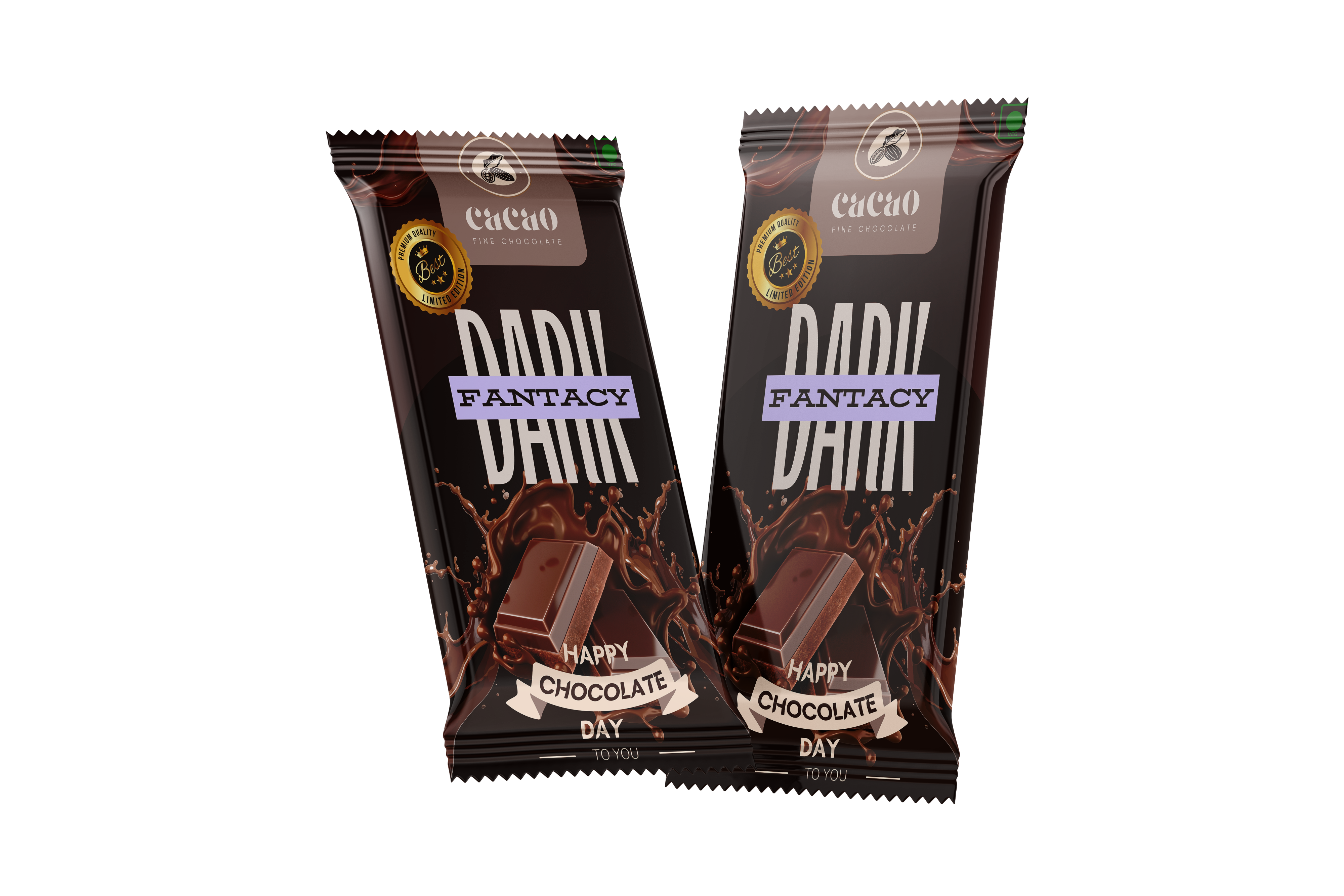

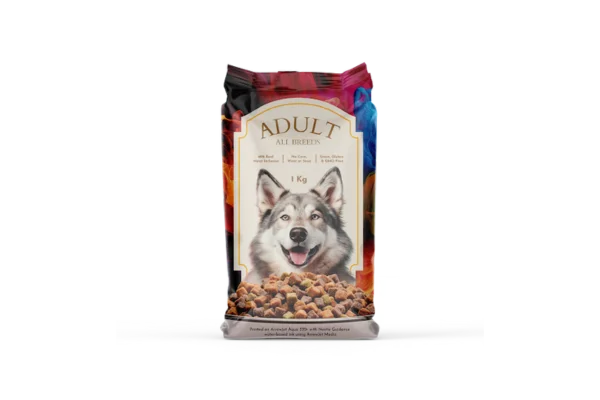
One of the most popular packaging formats worldwide, flexible pouches are available in flat, stand-up, spouted, and resealable styles. Stand-up pouches with gusseted bottoms are especially attractive on retail shelves.
Simple yet versatile, bags and sachets serve both single-use and retail purposes. From ketchup packets to shopping bags, they dominate convenience packaging.
Flexible packaging rolls are used in form-fill-seal machines to create wrappers and pouches. Laminated films combine multiple layers for durability and protection.
Thin wraps and films protect fresh produce and perishable goods. Stretch films also bundle and palletize shipments, reducing logistics damage.
Flexible tubes provide controlled dispensing, making them a favorite in personal care packaging.
Specialty formats include vacuum-sealed pouches, biodegradable films, compostable laminates, and vacuum metalized films (VMPET). These are designed for high-barrier or eco-friendly applications.
The choice of material determines flexibility, barrier strength, printability, and sustainability. Here’s a complete breakdown:
Single-Layer Materials
Material | Properties | Barrier Level | Common Uses |
PE (Polyethylene) | Low cost, moisture barrier, heat-sealable | Moisture | Bags, sachets, liners, shrink wrap |
PP (Polypropylene) | Clarity, moisture resistance, crisp feel | Moisture + grease | Snack bags, labels, wrappers |
PET (Polyester) | Strength, clarity, excellent printability | Oxygen + moisture | Pouches, roll stock, backing films |
BOPP (Biaxial PP) | Excellent clarity, grease resistance | Grease + moisture | Snack packaging, labels, overwrap |
Paper / Kraft | Sustainable, print-friendly, lower barrier | Light only | Eco-friendly pouches, gift wrap |
Structure | Layers | Barrier Properties | Best For |
PET/PE | 2-layer | Strength + heat seal | General food pouches |
BOPP/CPP | 2-layer | Clarity + moisture seal | Snacks, bakery items |
PET/ALU/PE | 3-layer foil | Maximum oxygen + moisture | Coffee, cannabis, emergency food |
Paper/PE/ALU | 3-layer hybrid | Sustainability + barrier | Eco-conscious food brands |
PET/EVOH/PE | 3-layer | High oxygen barrier | Meat, cheese, oxygen-sensitive |
Product Need | Recommended Material |
Moisture-sensitive | PET/ALU/PE, Mylar (foil-laminated BoPET) |
Grease / fatty foods | OPP/CPP, Metallized film |
Clear visibility | PET, BOPP, Clear CPP |
Sustainability priority | Paper/PLA, Mono-PE (recyclable) |
Oxygen-sensitive | EVOH barrier layers, foil laminates |
Long-term storage | Mylar (BoPET) 6–8 mil with oxygen absorbers |
Key flexible packaging materials at a glance:
Why is flexible packaging overtaking rigid formats? Here’s a full breakdown of the advantages — for both brands and consumers:
Benefit | Impact | Compared to Rigid Packaging |
Lower Shipping Costs | 85% lighter weight per unit | Reduces freight costs significantly at scale |
360° Graphics | Full surface branding area | More branding space than most rigid formats |
Sustainability | Less material per unit, lower carbon footprint | Up to 70% less material used |
Cost Efficiency | Lower material and transportation costs | Lower unit cost especially at volume |
Retail Ready | Shelf efficiency, hang-sell options | Self-supporting stand-up formats |
Variable Runs | Digital printing enables 500+ unit minimums | Traditional rigid labels require 25K+ minimums |
Feature | Consumer Benefit | Example Application |
Resealable Options | Extended product freshness after opening | Zip-lock snack pouches, coffee bags |
Lightweight | Easy to carry, less waste | Single-serve sachets, travel packs |
Single-Serve | Portion control, on-the-go convenience | Condiment sachets, supplement packs |
Easy-Open | Accessible for limited mobility users | Tear notches, spout pouches |
Compact Storage | Flat when empty, saves pantry space | Stand-up pouches collapse when empty |
Flexible packaging is the backbone of food packaging. It preserves taste, aroma, and freshness while offering resealable convenience.
In pharma, safety and sterility are non-negotiable. Flexible packaging such as laminated pouches, blister packs, and sachets helps maintain product integrity.
Consumers expect portable, resealable, and attractive packaging for shampoos, lotions, creams, and gels. Flexible tubes and pouches deliver exactly that.
From shopping bags to protective sleeves, flexible packaging reduces logistics costs and provides customization for branding.
Heavy-duty flexible packaging protects chemicals, fertilizers, and industrial powders or liquids.
Sustainability is shaping the future of flexible packaging. Biodegradable and recyclable laminates are gaining momentum.
Why is flexible packaging overtaking rigid formats? The answer lies in its unique advantages:
Q: What is flexible packaging?
A: Flexible packaging is any package made of pliable materials — plastic film, paper, or foil — that can be bent or folded, including bags, pouches, wraps, and films. It contrasts with rigid containers like bottles, jars, or cans. The most common examples are stand-up pouches, flat sachets, shrink film, and laminated rolls.
Q: What are the advantages of flexible packaging over rigid?
A: Flexible packaging uses up to 70% less material per unit, weighs 85% less for shipping (reducing freight costs), offers better shelf appeal through 360° graphics, and typically costs less per unit than rigid alternatives. It also provides consumer convenience features like resealable zippers and easy-open tear notches that rigid packaging cannot match.
Q: Is flexible packaging recyclable?
A: Multi-layer flexible packaging is challenging to recycle due to mixed material structures. New mono-material structures (all polyethylene or all polypropylene) are specifically designed for recyclability. Look for the How2Recycle label or check local drop-off programs — many grocery stores accept PE film for recycling.
Q: What is the difference between pouches and bags?
A: ‘Pouch’ typically refers to a pre-formed, often gusseted bag with structural stability — particularly stand-up pouches. ‘Bag’ is a general term for any flexible container, often pillow-style without gussets. In industry usage, pouches are usually considered more premium with more complex sealing and finishing options.
Q: Can I print directly on flexible packaging?
A: Yes. Digital inkjet printers like the ArrowJet Aqua 800M and Hybrid Pro M can print on roll-fed flexible packaging materials including PE, PP, and paper-based flexible substrates — ideal for short runs (500+ units), prototypes, and variable data. Substrates must be corona-treated or primer-coated for proper ink adhesion.
Q: What is the minimum order quantity for flexible packaging?
A: Traditional flexographic printing requires minimum orders of 25,000–50,000 units due to plate costs and setup. Digital printing reduces minimums to 500–2,000 units with no plate costs, making it economically viable for small brands, seasonal editions, and new product launches.
Q: What coatings are needed for printing on flexible packaging?
A: Substrates need corona treatment or primer coating for ink adhesion. Water-based pigment inks require specially coated films for proper bond strength. UV inks adhere to a wider range of materials but have food-contact limitations. Always request print-ready (corona-treated) film stock from your supplier.
Q: What materials are used for flexible food packaging?
A: The most common materials for food flexible packaging are PET/PE laminates, BOPP/CPP structures, and PET/ALU/PE foil laminates for high-barrier applications. Mono-PE structures are increasingly used for sustainable recyclable food pouches. The choice depends on the specific barrier requirements — moisture, oxygen, UV, or grease.
Q: How is flexible packaging different from rigid packaging?
A: Flexible packaging conforms to product shape and can be folded, squeezed, or rolled up. Rigid packaging maintains a fixed shape regardless of contents. Flexible is lighter, cheaper per unit, and more sustainable but offers less crush protection than rigid formats. Most food categories have shifted from rigid to flexible over the past 20 years.
Q: What is a stand-up pouch and why is it popular?
A: A stand-up pouch is a flexible bag with a gusseted bottom that allows it to stand upright on retail shelves. It’s popular because it combines the shelf presence of rigid packaging with the cost and weight advantages of flexible formats. Stand-up pouches are widely used for coffee, pet food, snacks, supplements, and cannabis products.
✓ Definition: Pliable materials (film, paper, foil) that conform to product shape vs. rigid containers
✓ Popular Types: Stand-up pouches, flat bags, Mylar, shrink film, tubes — each with specific use cases
✓ Materials: PE, PP, PET, BOPP — often multi-layer structures for enhanced barrier properties
✓ Key Benefits: Lower cost, 85% lighter shipping, sustainability advantages, 360° branding surface
✓ Digital Printing: Enables short runs (500+ units) with no plate costs and fast turnaround for flexible packaging
The future of flexible packaging lies in sustainability and innovation. With rising environmental concerns, companies are shifting to biodegradable polymers, paper laminates, and recyclable pouches. Smart packaging technologies—such as QR codes, freshness indicators, and interactive labels—are also emerging.
Global demand is projected to rise steadily, especially in food, beverages, and healthcare. Brands that embrace eco-friendly flexible packaging will not only meet regulatory requirements but also win consumer loyalty.
Flexible packaging has become an essential part of modern packaging strategies. Its versatility, barrier properties, lightweight design, and branding opportunities make it indispensable across industries. From food and beverage packaging to pharmaceuticals and cosmetics, its impact is undeniable.
Looking forward, sustainable flexible packaging solutions will dominate, as brands and consumers alike prioritize environmental responsibility. By embracing innovative materials and eco-conscious designs, businesses can stay ahead in this rapidly evolving market.
Table of Contents In-House Label Printing vs. Print on Demand: Cost by Volume In-house label printing vs. print on demand comes down to a cost-per-label
Table of Contents Pharmaceutical Label Version Control Workflow for FDA Changes A GMP label version control workflow moves an approved revision to the line: change
Table of Contents Mylar vs BOPP Flexible Packaging: Substrate Selection Guide PET (Mylar) leads on oxygen and aroma barrier and heat tolerance; BOPP leads on
Table of Contents When to Add a Second Label Printer: Capacity Decision Guide Three measurable signals decide it — sustained utilization above your scheduling ceiling,
Table of Contents Diagnosing Supplement Label Peeling HDPE Bottle Failures HDPE label peeling traces to low surface energy, an adhesive mismatch, or moisture exposure —
Table of Contents Roll-to-Roll vs. Sheet-Fed Label Printing: Throughput & Cost Rolls win on cost per applied label with an automatic applicator; sheets win on