The American Bumper Sticker: A Brief History
Table of Contents The American Bumper Sticker: A Brief History The American bumper sticker is a small adhesive label that became one of the most

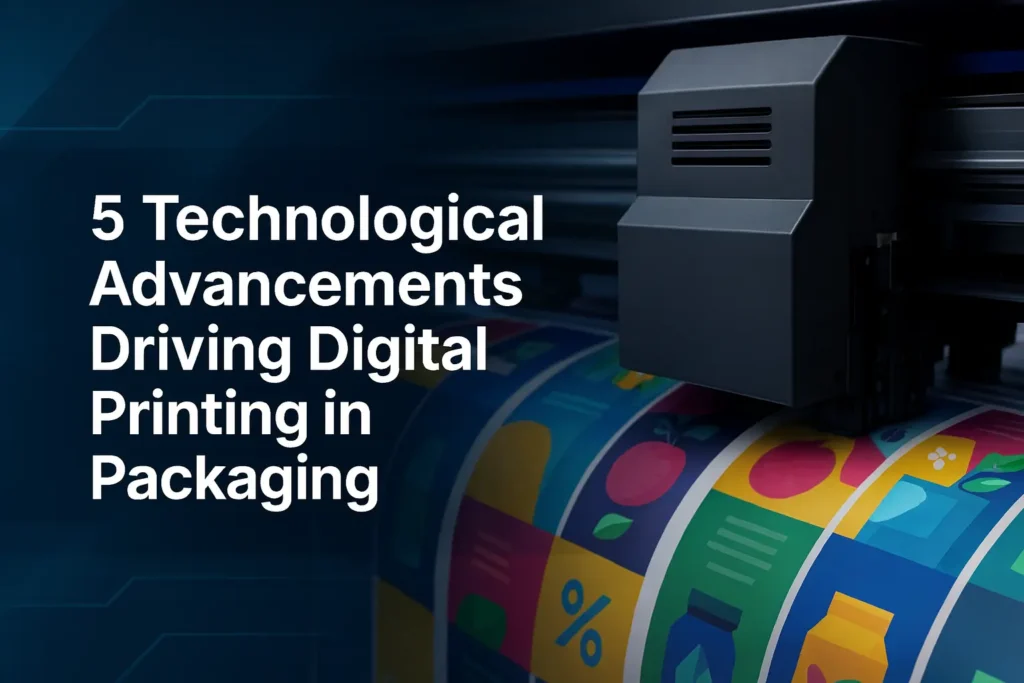
The world of packaging is moving at lightning speed, and at the center of this transformation is digital printing. Once considered a niche tool for short runs and labels, digital printing is now reshaping the packaging industry with faster production, smarter workflows, and eco-friendly innovations.
At the heart of this shift are five key technological advancements driving digital printing in packaging. From printhead innovations to eco-friendly ink systems and AI-powered automation, these breakthroughs are making it possible for brands to deliver packaging that’s not only faster and cheaper to produce but also more customized, sustainable, and engaging than ever before.
Let’s explore how these technologies are revolutionizing packaging in 2025 and beyond.
Modern printhead technologies are at the foundation of digital printing’s rise in packaging. Today’s advanced printheads deliver high-resolution, durable, and vibrant output across a wide variety of substrates—from paper and board to flexible films and plastics.
Why it matters:
Among the biggest innovations are water-based pigment inks, which are reshaping digital packaging. Unlike solvent-heavy alternatives, these inks are:
By combining advanced printheads with sustainable ink formulations, brands achieve high-quality, eco-responsible packaging that also meets global safety standards.
Artificial intelligence (AI) and automation are transforming digital printing into a smarter, leaner, and more reliable process.
For brands, this means faster time-to-market, lower production risks, and packaging that keeps pace with consumer demands.
Sustainability isn’t just a buzzword anymore—it’s a necessity. With growing consumer demand for greener products, digital printing in packaging has embraced eco-friendly innovations that benefit both brands and the planet.
For brands, this means they can proudly align their packaging with eco-friendly commitments while still enjoying the vibrancy and flexibility digital printing provides.
Today’s packaging is no longer just about holding a product—it’s about engaging consumers and telling a story. Digital printing is empowering brands with powerful design and customization tools that allow for unprecedented creativity.
This level of flexibility allows brands to create printed pouches with unique designs for different audiences, seasonal promotions, or product launches—making packaging a marketing tool as much as a protective one.
One of the most exciting innovations in packaging is the rise of connectivity and Smart packaging, powered by digital printing and IoT.
For example, a coffee brand can print unique QR codes on short-run seasonal pouches that connect consumers to origin stories or brewing guides. This creates deeper engagement and brand loyalty.
Among all packaging formats, printed pouches stand out as the best example of how these five innovations converge:
Whether it’s snacks, pet food, coffee, or personal care products, digitally printed pouches combine innovation, sustainability, and consumer appeal—making them the packaging format of the future.
The five technological advancements—printhead and ink innovations, AI-driven automation, sustainable practices, advanced design tools, and connectivity through smart packaging—are driving the next era of digital printing in packaging.
For brands, this means more than just efficiency. It means:
As we look ahead to 2025 and beyond, one thing is clear: Innovation in digital printing packaging isn’t optional—it’s essential. The brands that embrace these advancements will lead the way in creating packaging that is smarter, greener, and more engaging than ever.

Table of Contents The American Bumper Sticker: A Brief History The American bumper sticker is a small adhesive label that became one of the most

Table of Contents Durable Equipment Labels: Polycarbonate vs Polyester vs Metal Polycarbonate and polyester each fail in predictable ways when misspecified — this guide maps

Table of Contents CBD Label Requirements: What Your Labels Must Say CBD labels must carry truthful product information, avoid medical or therapeutic claims, and comply

Table of Contents Medical Device Labels: UDI Requirements, FDA 21 CFR Part 801, and Printing Considerations FDA 21 CFR Part 801 and the UDI rule

Table of Contents USDA Food Label Guidelines: Six Common FSIS Labeling Mistakes to Avoid USDA FSIS food label approval is blocked most often by six

Table of Contents Beauty Product Labels: INCI Names, Formatting & FDA Rules Beauty product labels must list every ingredient by INCI name in descending order