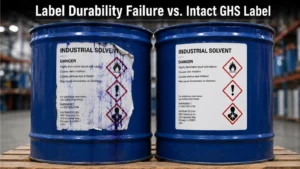
GHS Label Compliance: A Practical Guide for Chemical Label Printing
Table of Contents GHS Label Compliance: A Practical Guide for Chemical Label Printing GHS label compliance is a safety-critical requirement for any business that manufactures,
If you’ve ever opened a package and instantly caught a strong scent—fresh coffee, herbs, spices, or cannabis—you already understand why smell proof Mylar bags are booming across nearly every consumer industry today.
Brands need packaging that locks in aroma, prevents odor leakage, and protects freshness, all while looking sharp on retail shelves. And there’s no material that does it better than Mylar.
In this guide, we’ll break down why smell proof Mylar bags work, how they’re made, who uses them, and how businesses can customize them for maximum shelf appeal and product protection.
Smell proof Mylar bags are specialized barrier pouches made with PET (polyethylene terephthalate) and often layered with aluminum foil. These layers create a near-impenetrable barrier that prevents oxygen, moisture, and odor molecules from escaping.
Think of them as small, flexible vaults—not letting anything in or out unless the user opens the seal.
Because they use:
These features trap even the strongest aromas.
From 2024–2026, the global demand for smell proof packaging is Projected to grow at over 8.7% CAGR as more brands shift from rigid containers to lightweight, flexible packaging.
The biggest drivers include:
Mylar’s multi-layer composition gives brands a single solution for long-term freshness + safety + branding.
Here’s what makes them so effective:
Most smell proof Mylar bags contain:
Together, these block:
No smell leaks out—and no air seeps in to degrade the product.
Smell proof packaging uses reinforced closures like:
These ensure the bag stays completely sealed until opened.
Thicker film = better odor retention + better strength.
This is the #1 market.
Smell proof Mylar bags keep:
Premade and custom-printed pouches are widely used for:
Aroma is everything.
Mylar keeps beans fresh by preventing oxidation and retaining essential oils.
Mylar prevents:
Perfect for gourmet and bulk spice packaging.
Smell proof packaging prevents strong odors from leaking in transit or retail shelving.
Brands use Mylar for:
The tight seal keeps products crunchy and fresh.
Perfect for applications where aroma must be preserved or hidden.
Mylar extends product life by blocking oxygen and moisture—two major causes of spoilage.
Compared to jars or tins, Mylar bags:
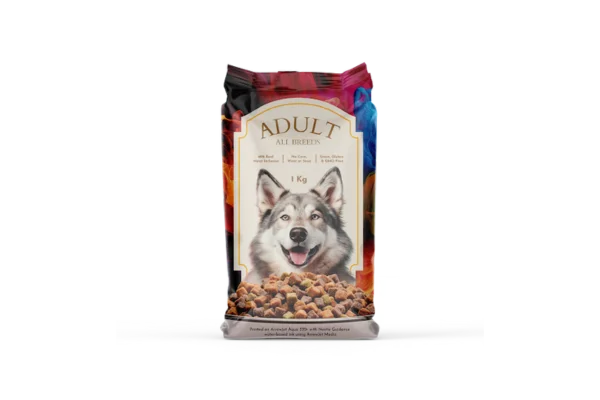
Brands can design:
Newer Mylar structures use:
In 2026, custom-printed pouches have become a top retail differentiator.
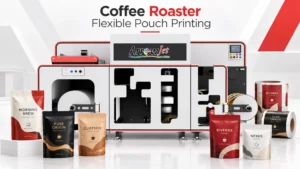
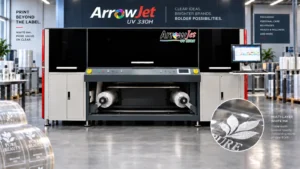
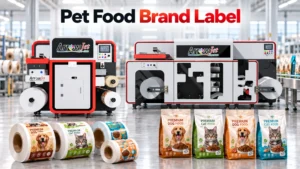
Premium digital presses like the ArrowJet line enable:
This allows brands to create:
Perfect for cannabis strains, coffee origins, and gourmet blends.
Yes—high-quality Mylar bags are:
As long as they’re purchased from certified suppliers, they meet safety standards for edible products.
When sourcing Mylar bags, consider the following:
3.5 mil – general retail
5 mil – cannabis, coffee
7 mil – long-term storage
Look for PET + ALU + PE for maximum odor control.
Standard zipper
Child-resistant zipper
Heat-seal
From 1g to full pound sizes depending on application.
Digital printing for small runs
Flexo for large volumes
Hybrid printing for best of both worlds
As brands expand into e-commerce and compliance becomes stricter, demand will continue rising.
These bags provide:
Whether you’re packaging herbs, superfoods, snacks, or cannabis, smell proof Mylar bags offer unmatched protection and presentation.
Smell proof Mylar bags aren’t just trendy—they’re now essential for businesses wanting safe, compliant, and premium-quality packaging that protects both aroma and brand reputation.

Table of Contents GHS Label Compliance: A Practical Guide for Chemical Label Printing GHS label compliance is a safety-critical requirement for any business that manufactures,

Table of Contents Cannabis MSO Label Printing: In-House or Outsource? Cannabis MSO label printing moves in-house when label versions outgrow converter minimums or batch data

Table of Contents Why Print Your Own Product Labels: Speed, Control, and On-Demand Flexibility In-house digital label printing removes outsourcing delays, eliminates minimum order quantities,

Table of Contents Craft Brewery In-House Label Workflow: Design File to Roll An in-house brewery label workflow is a four-step chain: controlled artwork, a calendar-driven

Table of Contents Aqueous vs. UV Inkjet Pharmaceutical Labels: What GMP Requires No FDA regulation names a compliant ink chemistry — GMP governs label accuracy,

Table of Contents Color Sticker Printer for Business: 4 Reasons to Print In-House Businesses invest in a color label printer to reduce dependence on outside