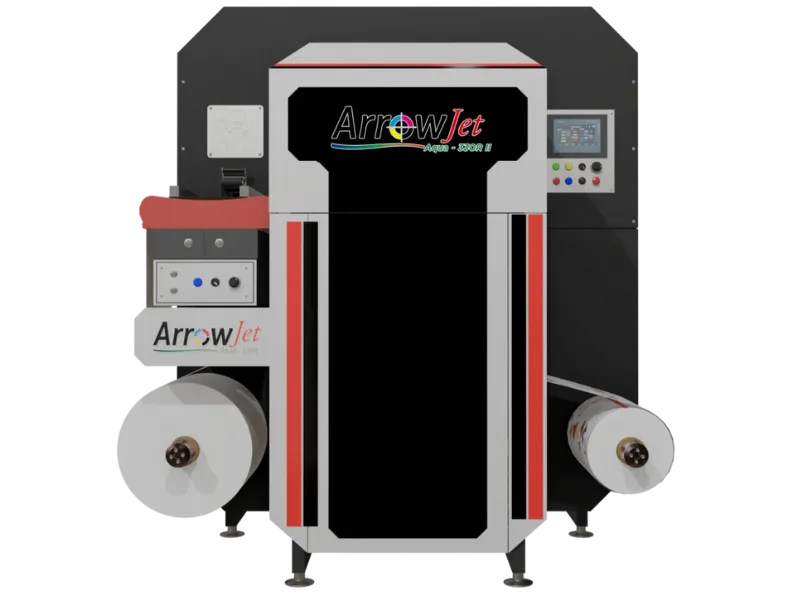
Best Digital Transition Fit
Packaging companies switch from flexo to digital label printers when short runs, SKU variety, artwork changes, setup waste, plate costs, and rush turnarounds become bigger problems than press speed alone. Arrow's ArrowJet Aqua 330R II is a practical transition fit for short-to-medium production, while ANY-JET II fits teams that also need print-and-finish automation.
This page explains the business reason behind the switch: not digital hype, but job mix. Flexo is still strong for long static runs; digital solves the work that changes too often.
Best Digital Transition Fit
Buying Criteria
The switch usually happens when the company starts winning work that requires more versions, faster turns, and less setup friction.
More flavors, sizes, markets, languages, and private-label accounts create too many versions for efficient plate-based production.
Short jobs can lose margin when plate costs, mounting, makeready, and wasted material consume the profit.
Digital can move urgent changes and reorder jobs faster because prepress does not wait on plates.
Digital print may need matching finishing, slitting, lamination, or laser cutting to remove the next bottleneck.
Recommended Fits
The best fit depends on whether the company wants a digital press beside flexo or a more complete print-and-finish cell.
A production digital label printer for packaging companies moving short-to-medium, high-mix work away from flexo bottlenecks.
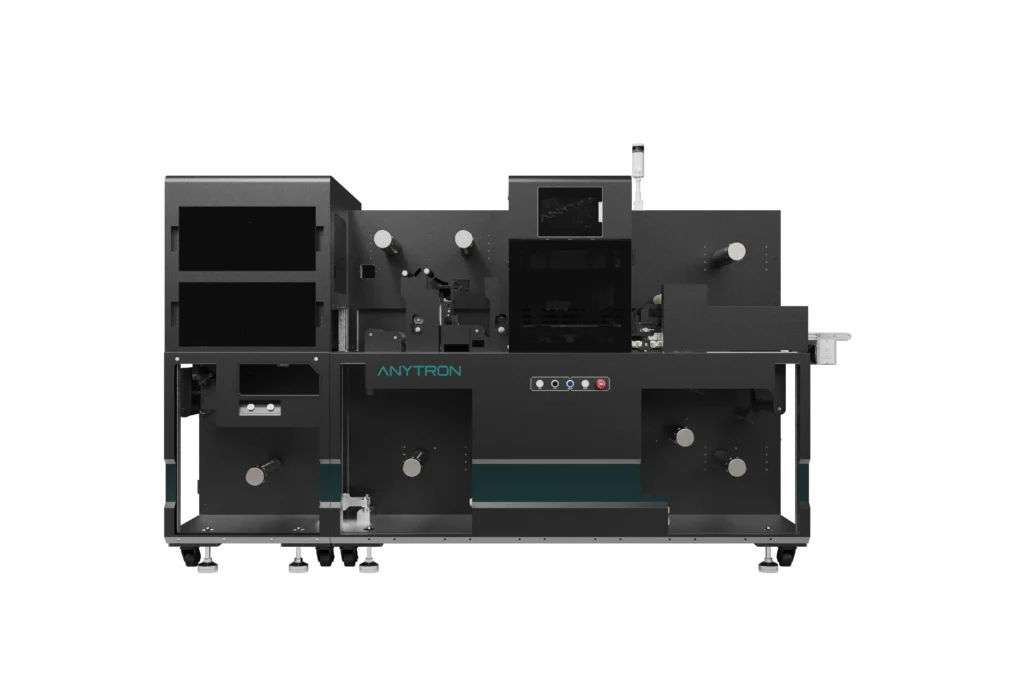
A fully digital inline label press for companies that need printing, lamination, laser cutting, matrix removal, and slitting in one pass.
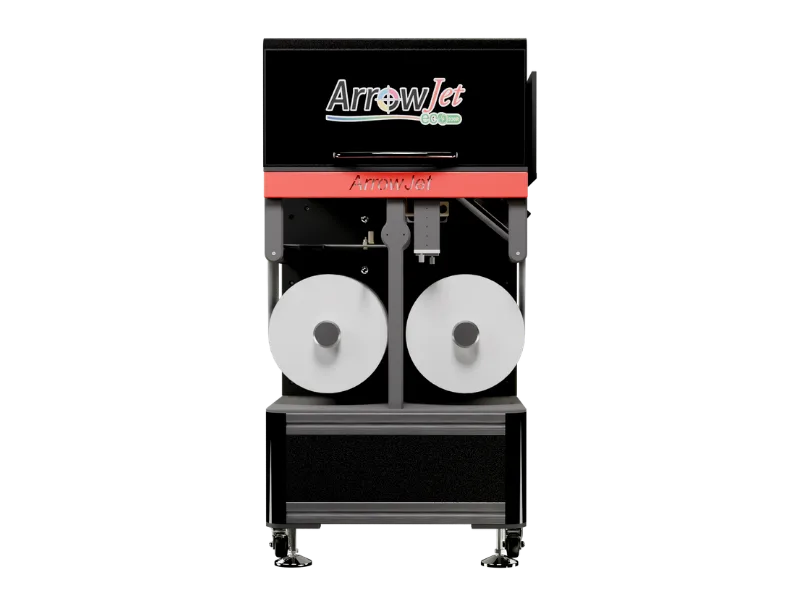
A compact industrial press for teams that want to start moving digital jobs in-house without overbuilding the first step.
Decision Table
Digital changes the economics of jobs that are short, variable, and frequently revised.
| Pain Point | Digital Advantage | Why It Matters |
|---|---|---|
| Plate costs | No plates | Artwork can change without ordering new plates. |
| Makeready waste | Lower setup waste | Short runs are less burdened by startup material loss. |
| SKU variety | Versioned print files | Private-label and regional variants become easier to manage. |
| Rush turnarounds | Faster prepress path | Jobs can move from approved file to print more quickly. |
| Finishing bottlenecks | Inline or digital finishing | The workflow can reduce handoffs after digital print. |
Workflow Notes
The best switch is not all-or-nothing. It is a routing strategy based on which production method makes each job profitable.
Classify past jobs by run length, number of versions, artwork changes, setup time, waste, and turnaround pressure.
Keep long static jobs on flexo when flexo remains the lowest-cost route.
Move short, variable, rush, and high-SKU jobs into digital production.
Add finishing capacity where digital output would otherwise wait after print.
FAQ
They switch when short runs, SKU variety, artwork revisions, setup waste, plate costs, and rush jobs make flexo inefficient for part of the job mix. Digital often complements flexo rather than replacing it completely.
Very long static runs can stay on flexo when plate and setup costs are spread over enough volume.
Short runs, reorder work, private-label versions, promotional labels, variable data, language versions, and rush jobs are usually the first candidates.
ANY-JET II makes sense when the company wants a more complete digital print-and-finish workflow with printing, lamination, laser cutting, matrix removal, and slitting in one pass.
Evaluate job history, run length, plate costs, setup waste, changeover time, finishing bottlenecks, SKU growth, and how much new work digital could help win.
Next Step
Share the application, substrate, run length, finishing needs, and growth goal. Arrow can help narrow the right equipment fit.