Repeatable Roll Label Fit
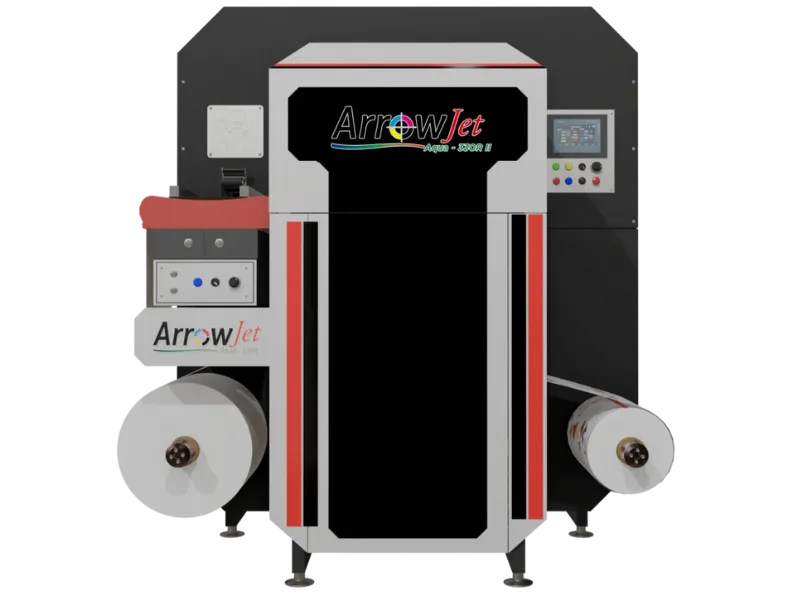
The most reliable color consistency comes from a controlled digital print workflow: stable ink, qualified substrates, color profiles, maintenance routines, and approved samples. For Arrow roll labels, the ArrowJet Aqua 330R II is the practical starting fit for repeatable CMYK water-based pigment production, while the ArrowJet UV 330H should be compared when color-critical work also needs White ink, Varnish, clear films, or specialty substrates.
This page is for print shops and brands that care less about one perfect sample and more about matching approved color across repeat jobs, materials, SKUs, and operators.
Repeatable Roll Label Fit
Buying Criteria
A printer matters, but color reliability is a system: files, profiles, ink, substrate, environment, maintenance, and inspection all contribute.
Profiles, targets, approved proofs, and documented settings make repeat jobs easier to reproduce.
Water-based pigment, UV ink, films, papers, coatings, and laminates each need the right qualification path.
Barcode scans, small text, brand colors, and customer signoff should be checked with a consistent process.
Maintenance, calibration, cleaning, and setup discipline help reduce drift between shifts and repeat orders.
Recommended Fits
Choose the platform based on the color-critical application, then build a repeatable process around it.
A production roll label printer for water-based pigment CMYK work where repeatable short-to-medium runs and approved color targets matter.
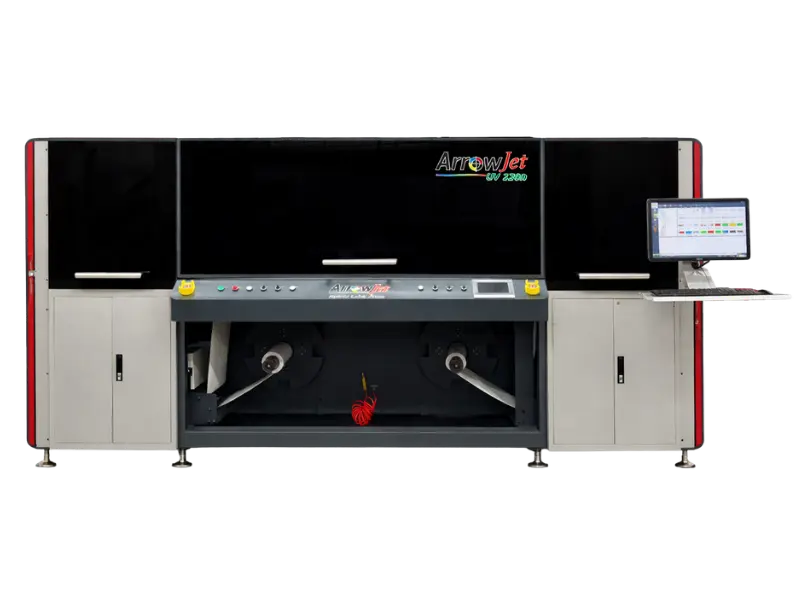
A hybrid UV press to compare when color consistency also depends on white ink, varnish, clear films, metallic stocks, dark materials, or flatbed samples.
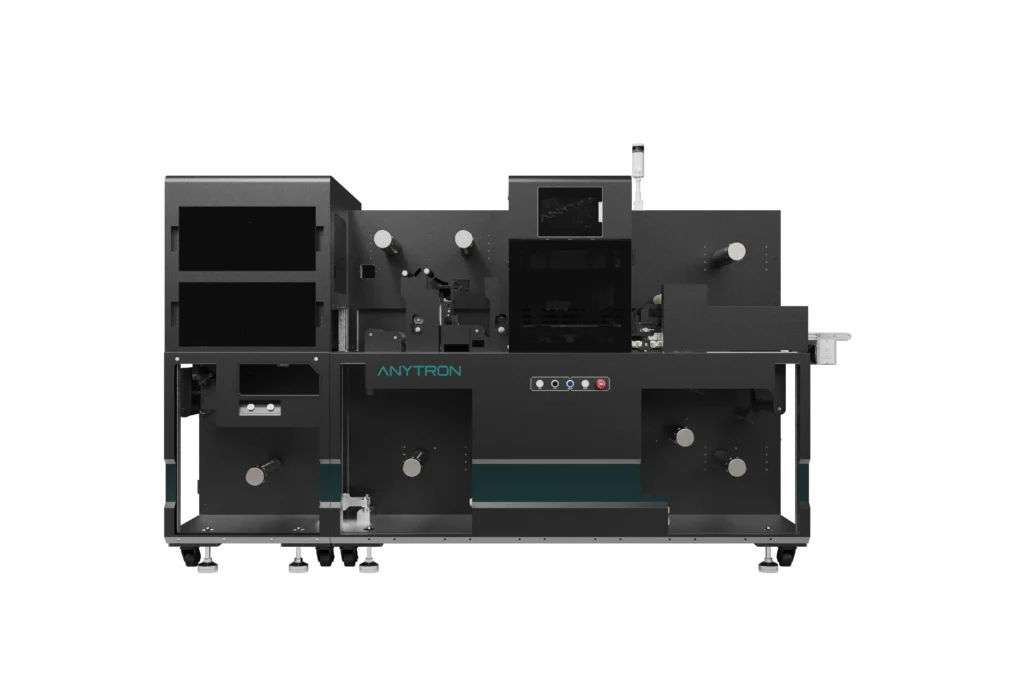
An inline option for teams that want print and finishing steps connected so the finished label is controlled as one production output.
Decision Table
Reliable color is usually won through process control, not a single headline specification.
| Color Need | Recommended Direction | Why |
|---|---|---|
| Repeat CMYK roll labels | ArrowJet Aqua 330R II | A qualified aqueous pigment workflow can standardize common production label work. |
| Clear, metallic, or dark materials | ArrowJet UV 330H | White ink and UV effects may be required before CMYK color behaves predictably. |
| Finished labels need matched appearance | ANY-JET II | Inline production can reduce handoff variation between print and finishing. |
| Brand-critical colors | Profile and sample approval | Color targets must be documented and checked against actual materials. |
| Multiple operators or shifts | Maintenance and setup standards | Repeatability depends on consistent routines, not only equipment selection. |
Workflow Notes
A good color process makes repeat jobs boring in the best possible way.
Approve color targets on the actual substrate and finish stack.
Document profiles, material settings, ink set, finishing, and inspection checkpoints.
Keep reference samples for repeat SKUs and customer approvals.
Use routine maintenance and operator checklists so repeat jobs start from the same baseline.
FAQ
For Arrow roll labels, the ArrowJet Aqua 330R II is a practical starting fit for repeatable CMYK water-based pigment production. If the job also needs white ink, varnish, clear films, metallic stocks, dark materials, or flatbed samples, compare the ArrowJet UV 330H. In every case, color consistency depends on the full process, not only the printer.
Ink, substrate, coating, profiles, print settings, maintenance, environment, finishing, operator routines, and approval samples all affect repeatable color.
It depends on the application. Aqueous pigment can be a strong fit for CMYK roll labels, while UV may be better when white ink, varnish, clear films, metallic stocks, or dark substrates are part of the design.
Approve samples on the actual material, document profiles and settings, keep reference samples, standardize finishing, and inspect repeat jobs against the approved target.
Yes. Lamination, varnish, gloss level, substrate texture, and clear films can change perceived color, so the finished construction should be approved together.
Next Step
Share the application, substrate, run length, finishing needs, and growth goal. Arrow can help narrow the right equipment fit.