Print Bottleneck Upgrade Fit
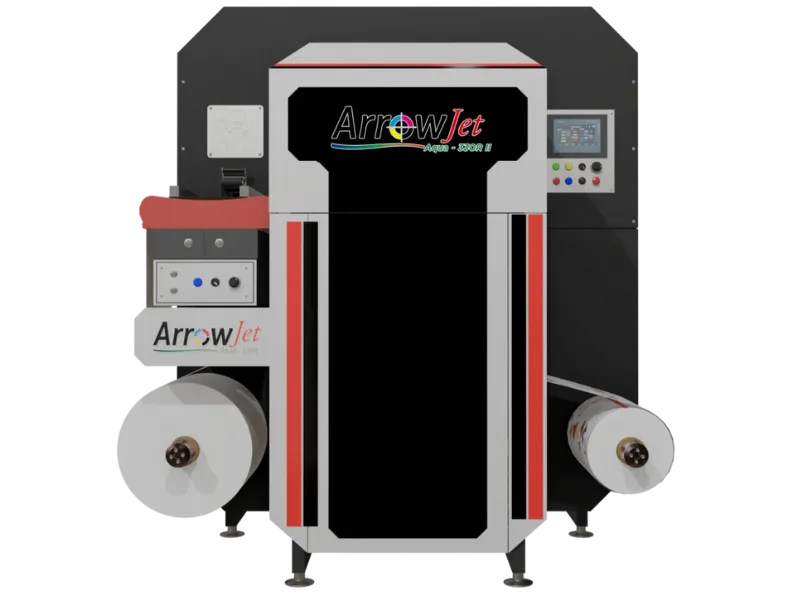
Old label printing equipment usually causes bottlenecks through long setup, plate or die tooling delays, inconsistent color setup, slow changeovers, maintenance downtime, limited variable data, and offline finishing queues. The right Arrow upgrade depends on where the bottleneck sits: ArrowJet Aqua 330R II for digital print, ANY-JET II for inline print-and-finish, or ANY-CUT III for finishing capacity.
This page is for teams trying to understand why lead times keep stretching even when the shop technically has enough press time on paper.
Print Bottleneck Upgrade Fit
Buying Criteria
A bottleneck can sit before the press, on the press, after the press, or inside the data workflow. The best upgrade starts with locating the constraint.
Older equipment can lose time to maintenance, inconsistent setup, operator workarounds, and slower recovery after issues.
Plates and physical dies create wait time when artwork or shapes change often.
Uncontrolled materials, settings, and color targets can turn small jobs into repeat adjustment cycles.
Barcodes, QR codes, serialization, lot codes, and many SKUs expose gaps in older workflows.
Recommended Fits
Do not replace equipment blindly. Match the new system to the part of the process that is actually slowing orders.
A production digital label printer for shops where plates, setup, SKU changes, or short-run print queues are the main issue.
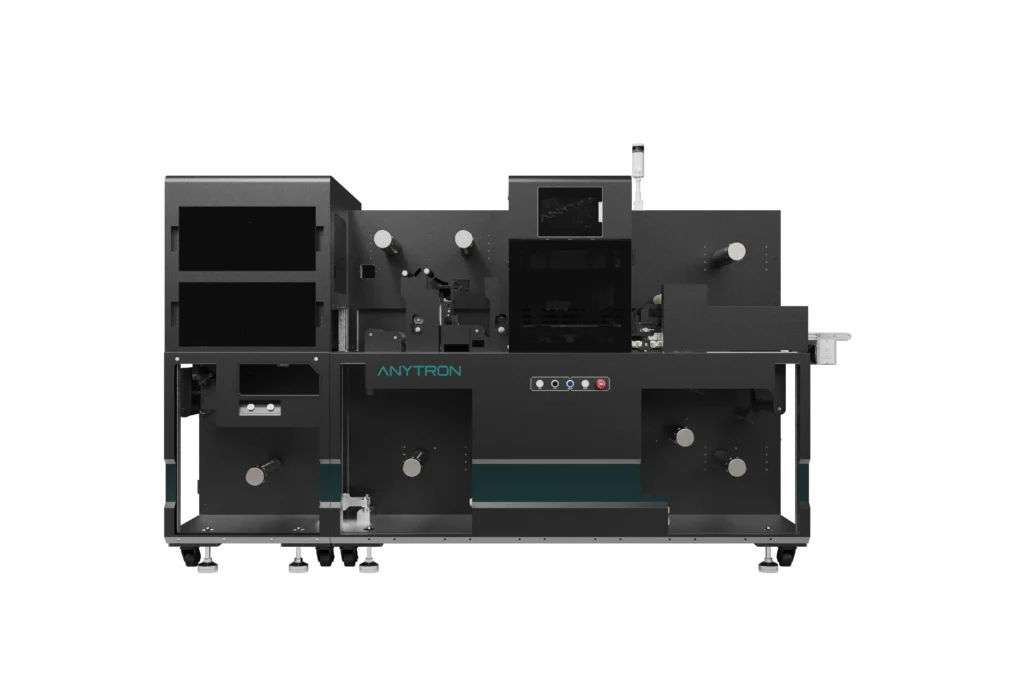
A print-and-finish system for teams that want to reduce handoffs between printing, lamination, cutting, matrix removal, and slitting.
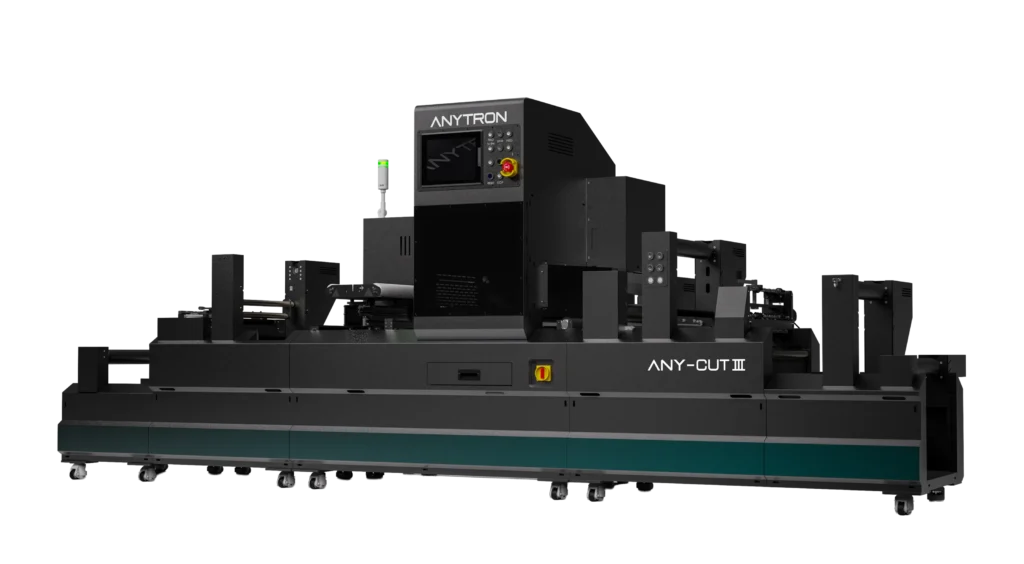
A production laser finisher for shops where labels are printed but wait on die cutting, lamination, matrix removal, slitting, or rewinding.
Decision Table
Bottleneck pages should lead buyers to diagnose before buying. The wrong upgrade can leave the real constraint untouched.
| Bottleneck Symptom | Likely Cause | Arrow Direction |
|---|---|---|
| Jobs wait before printing | Plate setup, prepress, or old press changeovers | ArrowJet Aqua 330R II |
| Printed rolls wait after press | Finishing capacity or physical die delays | ANY-CUT III or ANY-JET II |
| Short jobs lose money | Setup time and waste exceed run value | Digital short-run workflow |
| Variable data slows production | Data prep and inspection are not built into the process | Variable-data capable digital workflow |
| Operators fight repeat jobs | Settings, materials, and color targets are not standardized | Process audit plus equipment review |
Workflow Notes
A simple production audit usually reveals whether the answer is a printer, a finisher, or a better process.
Track where each delayed job waits: prepress, press setup, print, finishing, inspection, or shipping.
Record setup time, waste, maintenance stops, color adjustments, and finishing queue time.
Separate old-equipment issues from training, material, file, and scheduling issues.
Choose the Arrow system that removes the highest-cost constraint first.
FAQ
Common bottlenecks include long setup, plate or die tooling delays, slow changeovers, inconsistent color setup, maintenance downtime, limited variable data support, and finishing queues after printing.
Track where jobs wait. If delays come from press setup, artwork changes, plates, short-run queues, or repeated print adjustments, the print workflow is likely the bottleneck.
Then finishing may be the constraint. Cutting, lamination, matrix removal, slitting, inspection, or rewinding can create delays after the press.
Digital can help because it handles artwork changes, short runs, variable data, and repeat reorders without plate setup, but the data and finishing workflow must also be organized.
Not automatically. First identify the constraint, then decide whether the best fix is a digital printer, a finishing system, inline automation, material standardization, or process cleanup.
Next Step
Share the application, substrate, run length, finishing needs, and growth goal. Arrow can help narrow the right equipment fit.