Short-Run Workflow Fit
This page is for packaging teams that already know short runs are growing and need to understand where digital changes the economics of the job.
Short-Run Workflow Fit
Digital helps most when the pain is not only print speed, but the total path from approved art to finished label rolls.
Removing plates lowers the friction on smaller jobs, seasonal artwork, and frequent packaging revisions.
Less setup and startup waste can make short quantities more practical to quote and produce.
Private-label, regional, language, QR-code, and promotional versions can be managed from print files instead of separate plates.
Digital printing only improves the full job if cutting, lamination, slitting, and rewind capacity can keep up.
Short-run improvement usually comes from combining the right digital press with the right finishing path.
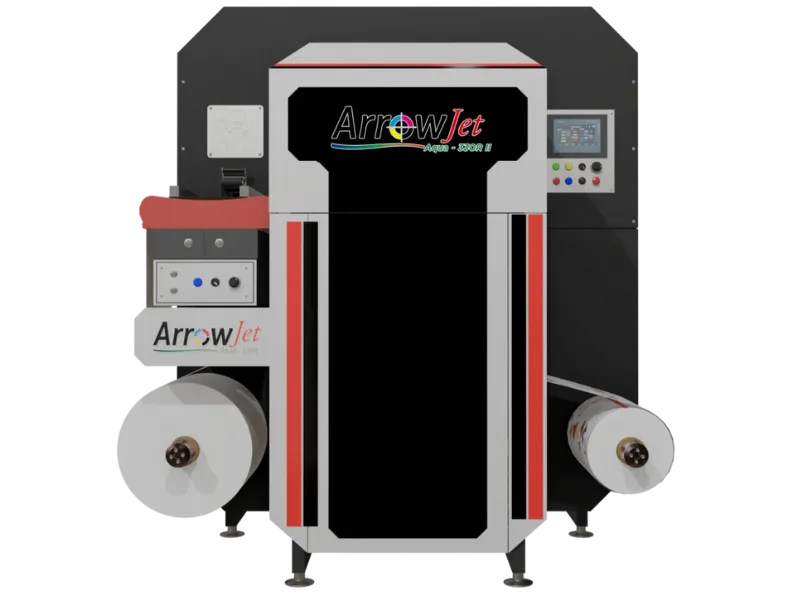
A production roll label printer for short-to-medium runs, SKU changes, and lower setup friction compared with plate-based workflows.
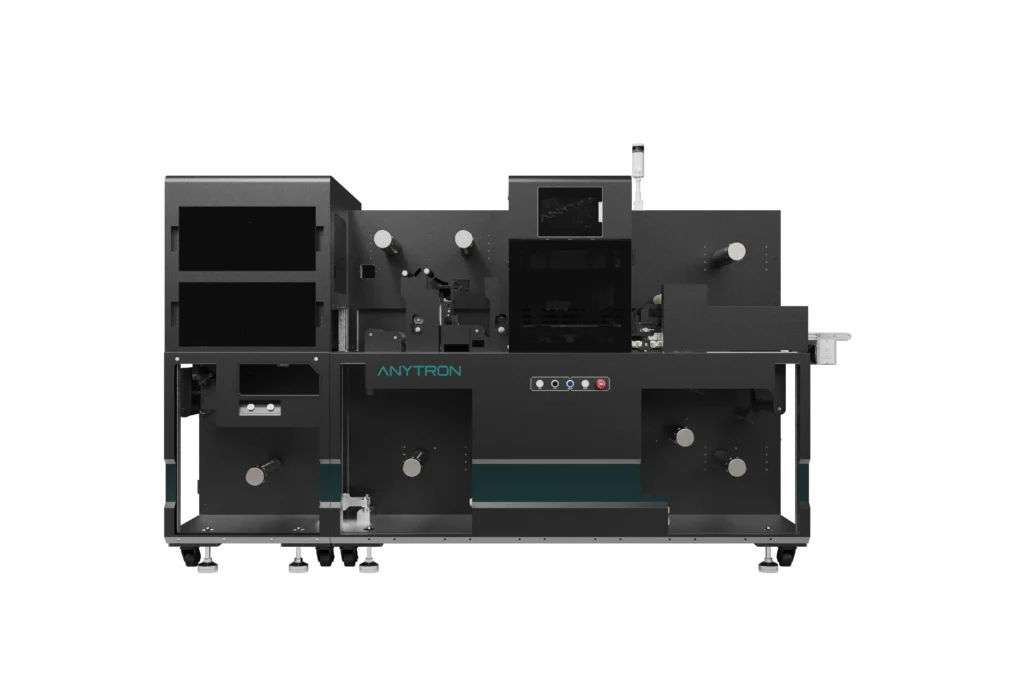
A fully digital inline label press for teams that want printing and finishing steps in a single production path.
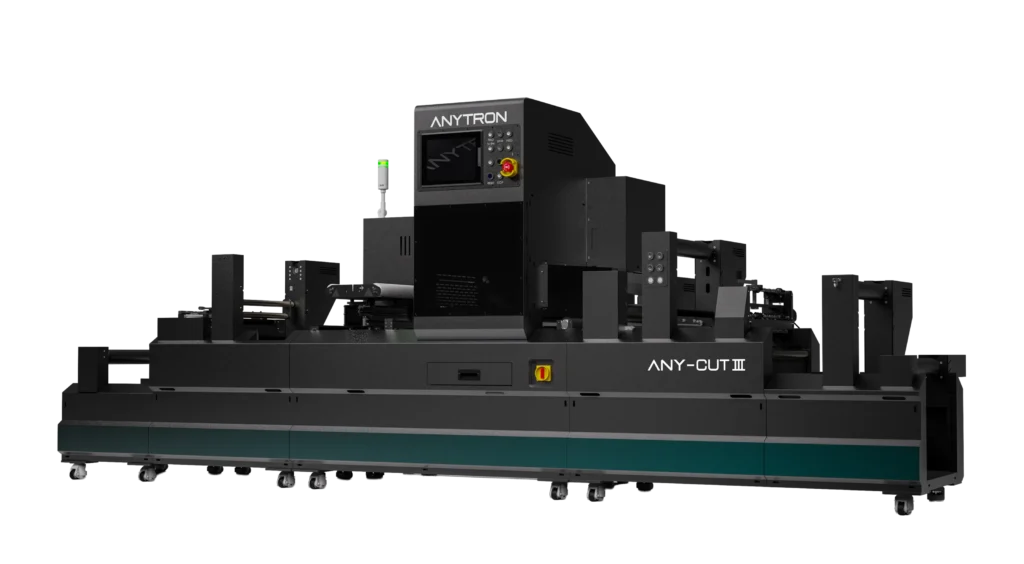
A production laser finishing system for shops whose digital press output waits on lamination, cutting, matrix removal, or slitting.
The value of digital shows up in the parts of the job that used to slow the order down.
| Old Pain Point | Digital Improvement | Production Impact |
|---|---|---|
| Plate ordering | Print from approved files | Artwork changes and reorders can move faster. |
| Makeready waste | Lower setup burden | Small quantities can be more profitable. |
| Many package versions | Versioned digital files | SKU variety becomes easier to manage. |
| Custom label shapes | Laser finishing | New shapes do not require physical die ordering. |
| Rush reprints | Repeatable digital workflow | Approved jobs can be rerun without rebuilding the analog setup. |
Packaging companies get the most value when they redesign the workflow, not only swap the press.
Build prepress templates for common label sizes, substrates, and customer versions.
Standardize color targets and material settings for repeat short-run work.
Route short, variable, and rush jobs to digital before they clog analog capacity.
Pair digital output with finishing capacity so printed rolls do not wait after press.
They remove plate setup, reduce makeready friction, support faster artwork changes, make SKU versions easier to manage, and help packaging teams produce smaller quantities without large pre-printed inventories.
No. Digital improves the print side, but finishing, material setup, prepress, color control, and quality checks still need to be organized around short-run work.
ANY-JET II can help when print and finish should happen inline, while ANY-CUT III can help shops that need production laser finishing after digital printing.
Packaging SKUs often change by flavor, size, region, language, customer, promotion, compliance panel, barcode, or QR code, which makes plate-based workflows slower and more expensive.
Measure plate cost, makeready waste, setup time, turnaround, finishing queue time, reorder speed, and profitability on short-run jobs before and after digital production.
Share the application, substrate, run length, finishing needs, and growth goal. Arrow can help narrow the right equipment fit.