Best Short-Run Fit
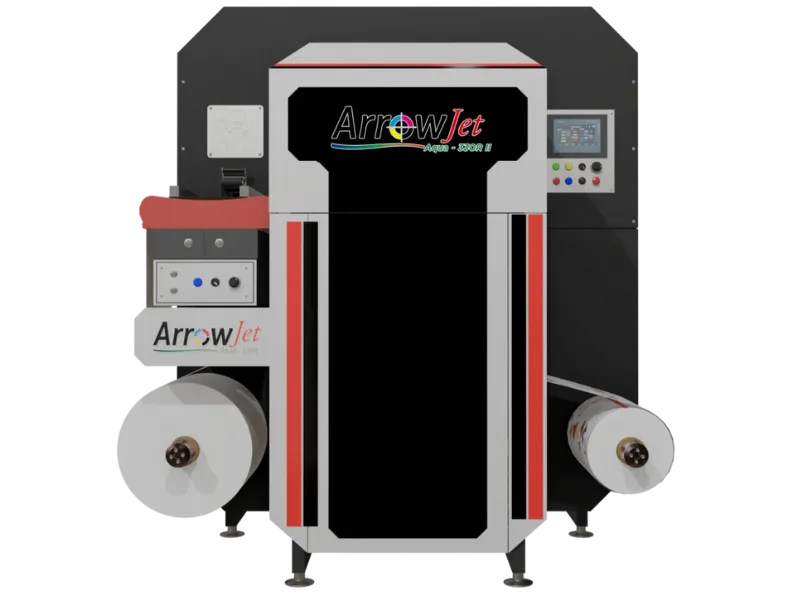
For most short-run roll label work, the best Arrow starting fit is the ArrowJet Aqua 330R II because it supports production digital output without plates and fits frequent SKU changes, reorders, and short-to-medium label runs. Smaller teams can compare the ArrowJet Eco 330R , while shops that need finished rolls in one workflow should review ANY-JET II .
This page is for packaging printers, brands, and converters whose short label jobs are slowed by plate costs, long setup, outside minimums, or too many artwork versions.
Best Short-Run Fit
The best short-run printer is not just the fastest press. It is the system that reduces setup friction, protects margin on small jobs, and keeps reorders moving.
Short runs need fast file-to-print workflow because long makeready can consume the profit on a small order.
Seasonal SKUs, private-label jobs, language versions, and repeat reorders favor digital output over plate-based changes.
A short-run printer should be matched to cutting, lamination, matrix removal, slitting, and rewind needs.
The printer, substrate, adhesive, and finish stack should be tested together so short jobs do not become repeat troubleshooting projects.
Use run length, finishing needs, and growth stage to decide whether the right short-run setup is a production printer, a compact entry system, or an inline print-and-finish press.
A production roll-to-roll digital label printer for short-to-medium runs, SKU changes, repeat reorders, and water-based pigment CMYK output.
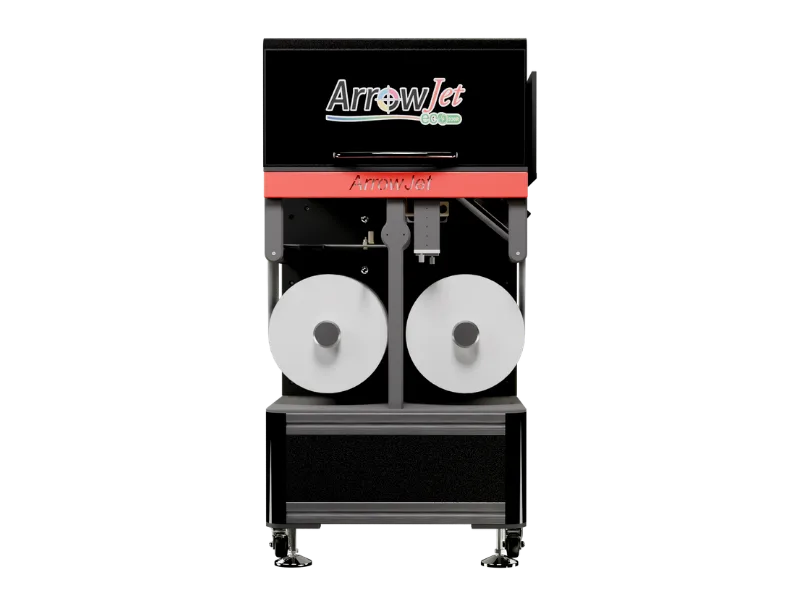
A compact industrial step for teams entering digital label production or proving out lower-volume short-run demand.
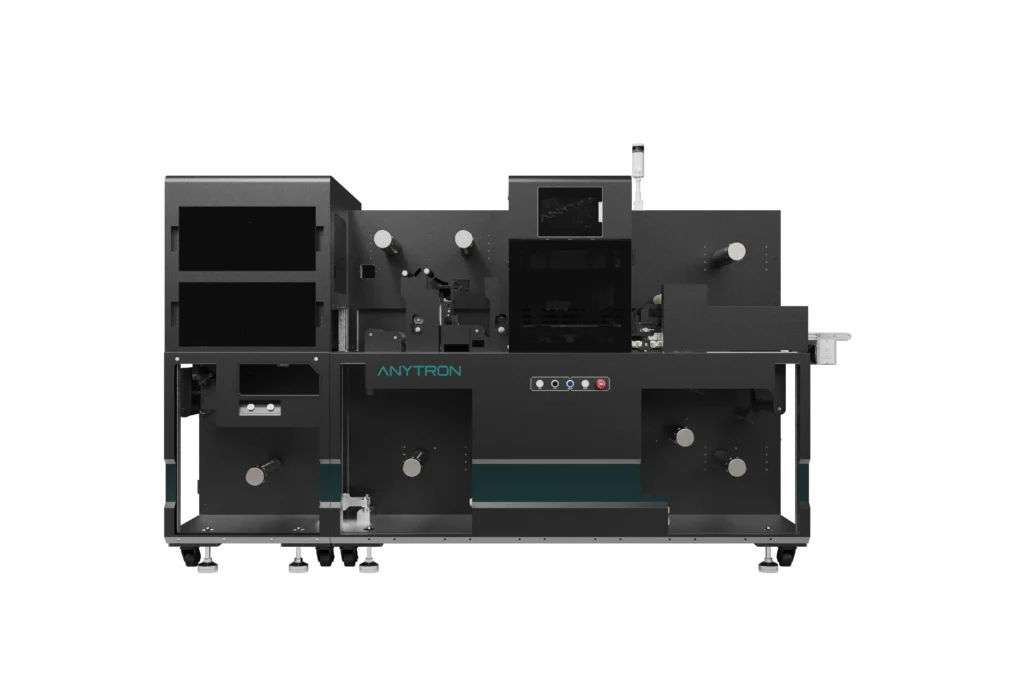
An inline digital label press to compare when short runs need printing, lamination, laser cutting, matrix removal, and slitting together.
Short-run buyers should route the job by setup pain, finishing needs, and whether the order will repeat.
| Short-Run Need | Recommended Direction | Why |
|---|---|---|
| Frequent small reorders | ArrowJet Aqua 330R II | Digital output avoids plates and makes repeat artwork easier to run again. |
| First industrial digital setup | ArrowJet Eco 330R | A compact system can validate short-run demand before a larger investment. |
| Finished rolls without die tooling | ANY-JET II | Inline print-and-finish reduces handoffs for custom shapes and short runs. |
| Very long static runs | Flexo or existing analog process | Long static work may still justify analog setup when volume is high enough. |
| Premium clear or metallic labels | ArrowJet UV 330H review | White ink, varnish, and specialty substrates may require a UV workflow. |
A strong short-run workflow removes friction before print, during print, and after print.
Pull recent orders by quantity, SKU count, reorder frequency, and artwork change rate.
Identify which jobs lose margin to plates, setup, waste, or outside minimums.
Define whether labels need only printing or full finishing before they leave the cell.
Standardize materials and file templates so repeat short runs can be produced quickly.
For most short-run roll label work, the ArrowJet Aqua 330R II is the best Arrow starting fit because it supports production digital output, frequent SKU changes, reorders, and short-to-medium runs without plate setup. Smaller teams can compare ArrowJet Eco 330R, while print-and-finish workflows should review ANY-JET II.
Digital avoids plates, reduces setup friction, supports fast artwork changes, and helps produce small batches without holding large pre-printed inventory.
Eco 330R can fit teams starting with lower volumes, smaller production requirements, or a first industrial step beyond desktop label printing.
ANY-JET II makes more sense when short runs need to come off the system as finished rolls with lamination, laser die cutting, matrix removal, and slitting.
No. Very long static jobs can still fit flexo or analog production, but short, variable, repeat, and rush jobs are usually stronger digital candidates.
Share the application, substrate, run length, finishing needs, and growth goal. Arrow can help narrow the right equipment fit.