Cosmetic Label Printing: FDA Requirements for Beauty Brands
Table of Contents Cosmetic Label Printing: FDA Requirements for Beauty Brands U.S. cosmetic labels must satisfy 21 CFR Part 701, the FPLA, and MoCRA 2022
When we talk about sustainable packaging, we often focus on materials—biodegradable films, recyclable cartons, or compostable pouches. But there’s an equally important element hiding in plain sight: the ink.
Inks are not just colors on a label. They influence recyclability, food safety, and even regulatory compliance. As more brands move toward eco-conscious packaging, the spotlight is now turning to water-based pigment inks—a technology quickly gaining ground for its environmental, functional, and commercial benefits.
In this article, we’ll explore why water-based pigment inks are being hailed as the future of sustainable packaging, how they compare to traditional inks, and why packaging converters and brands should care.
Water-based pigment inks use water as the primary solvent instead of petroleum-based solvents or reactive chemicals. They contain color pigments suspended in water and stabilizers, and are known for their excellent durability and colorfastness.
Unlike dye-based inks that soak into the substrate, pigment inks sit on the surface, making them more resistant to light, moisture, and chemicals—ideal for packaging that needs to last through shipping, shelving, and handling.
Solvent and UV inks release Volatile Organic Compounds (VOCs) during curing or drying, which contribute to air pollution and pose health risks in production environments. Water-based inks drastically reduce VOC emissions and eliminate the need for UV curing systems that consume high energy.
According to the U.S. Environmental Protection Agency (EPA), water-based inks can reduce VOC emissions by up to 90% compared to solvent-based inks.
In industries like food, beverage, cosmetics, and pharmaceuticals, ink safety is critical. Water-based pigment inks are often formulated to comply with Nestlé and Swiss Ordinance packaging standards, making them ideal for indirect food contact and primary packaging in regulated industries.
Brands looking to meet FDA, EU, or REACH regulations are increasingly turning to compliant water-based solutions that align with health and safety expectations.
Traditional inks can contaminate recyclable packaging, especially when they contain heavy metals or solvent residues. Water-based pigment inks contain no hazardous air pollutants (HAPs) and are designed to minimize ink migration, making them far more compatible with paper, board, and film recycling streams.
As Extended Producer Responsibility (EPR) regulations continue to gain momentum globally, using inks that don’t compromise recyclability is becoming essential.
The biggest concern with water-based inks used to be print quality and durability—especially on non-porous surfaces. But those days are long gone.
Thanks to advancements in printhead technology and ink chemistry, modern water-based pigment inks deliver:
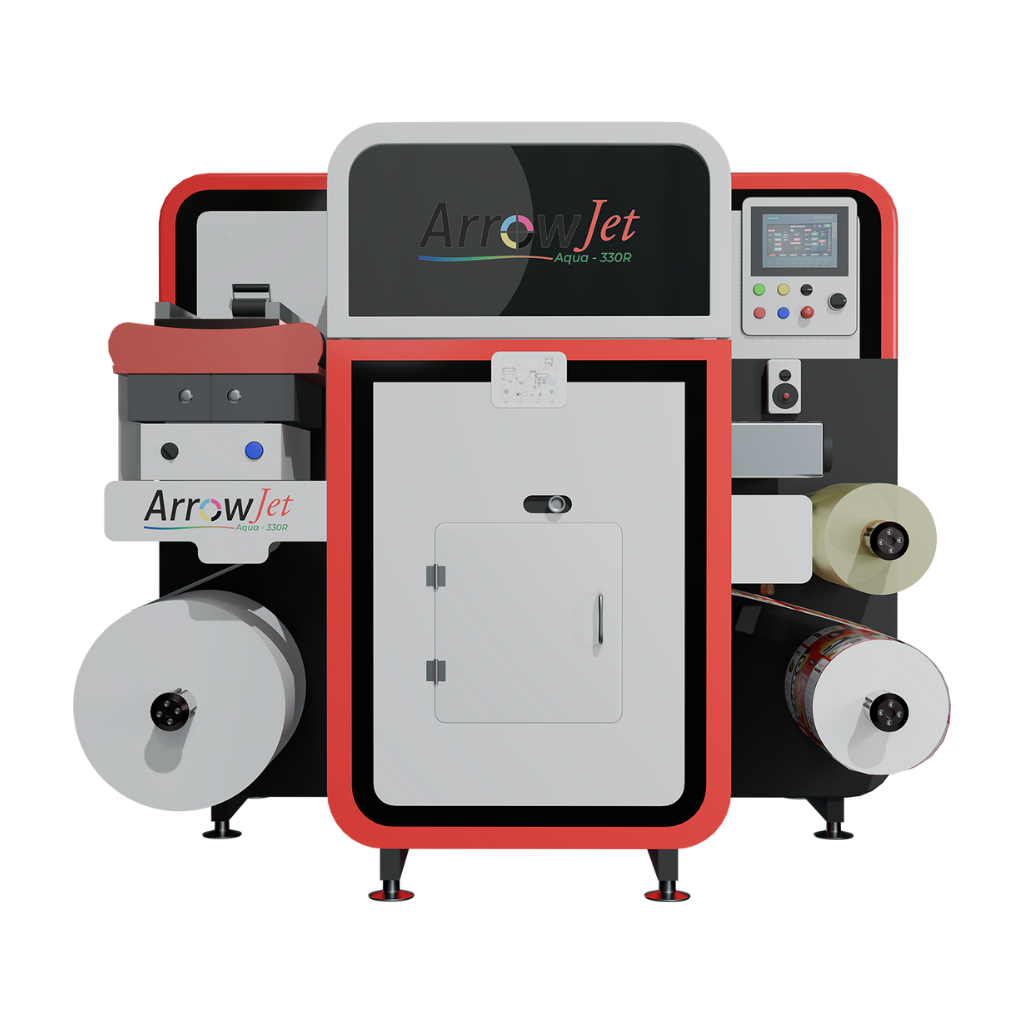
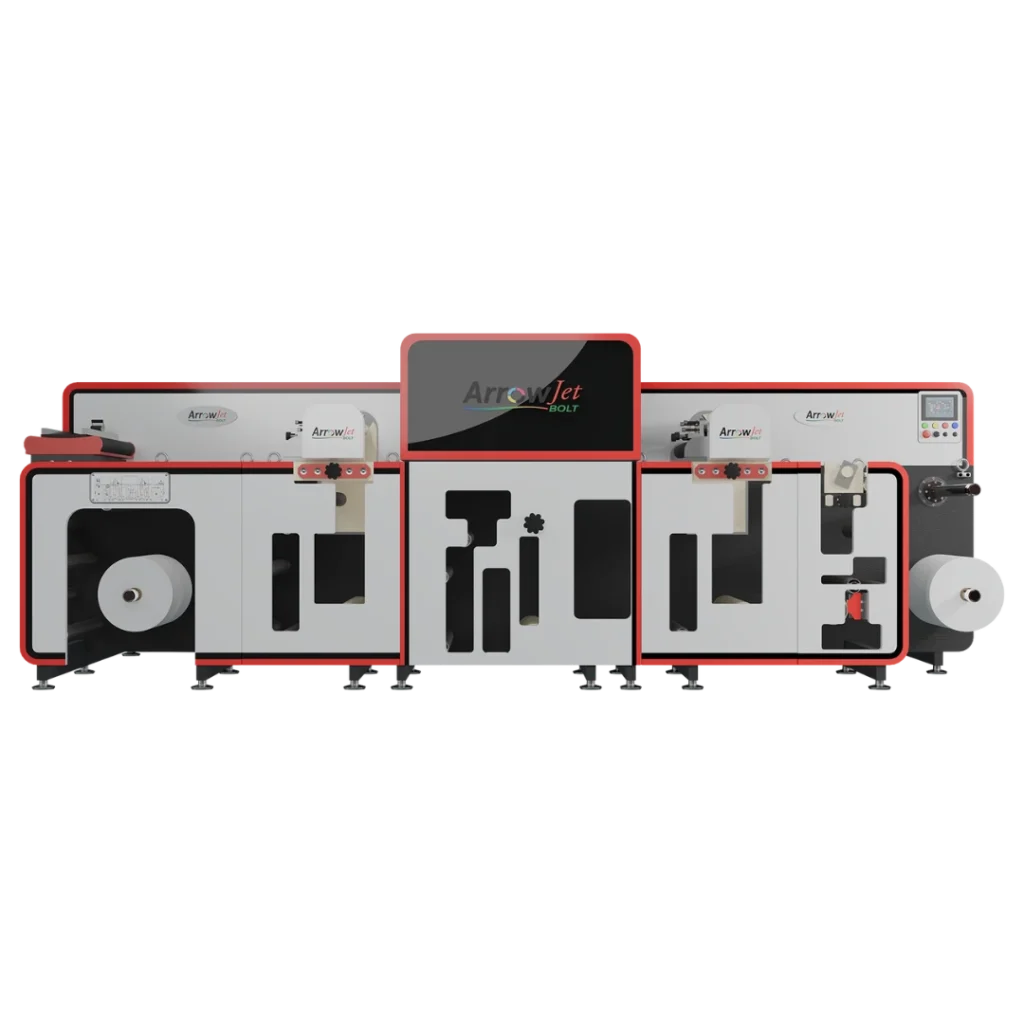
Leading digital presses like the ArrowJet Aqua 330R and ArrowJet Bolt now feature water-based pigment ink systems that meet the rigorous demands of short-run label and flexible packaging production—without compromising on performance.
Switching to water-based pigment inks can also lower operational costs:
And with growing pressure from consumers and retailers alike, sustainability is no longer a “nice-to-have”—it’s a market requirement. Brands that adopt greener ink solutions gain a competitive edge in bidding for eco-conscious product lines.
Feature | Water-Based Pigment Inks | Solvent-Based Inks | UV Inks |
VOC Emissions | Very Low | High | Moderate to High |
Food Safe (Compliance) | Yes (if certified) | No | Limited |
Energy Consumption | Low | Medium | High (UV curing needed) |
Print Durability | High | High | High |
Substrate Compatibility | Versatile (with primers) | Versatile | Versatile |
Environmental Impact | Low | High | Moderate |
Recyclability Compatibility | Strong | Weak | Moderate |
Global brands like Nestlé, Unilever, and P&G have committed to making all packaging recyclable or reusable by 2025. Ink selection is part of that equation. According to a 2023 report by Future Market Insights, the Global market for water-based inks is projected to grow at a CAGR of 6.3% from 2024 to 2030, outpacing other ink technologies.
In addition, small and mid-sized brands in the DTC and organic product space are actively seeking sustainable partners. Offering water-based ink solutions isn’t just an environmental decision—it’s a business one.
At the forefront of this transformation is ArrowJet’s water-based pigment ink technology. Designed for high-performance label and flexible packaging applications, ArrowJet presses offer:
ArrowJet systems empower packaging converters to meet sustainability goals without sacrificing speed, color, or versatility—a true win-win in a demanding marketplace.
As brands race toward sustainability and governments tighten regulations, it’s clear: the ink you use matters.
Water-based pigment inks represent the next chapter in responsible packaging. They’re safer, cleaner, and ready for high-performance applications across food, pharma, personal care, and beyond. Combined with cutting-edge digital printers like the ArrowJet Bolt, they offer a smarter way to future-proof your packaging business.
If you’re serious about sustainability, it’s time to look past the substrate and rethink what’s in your ink.
We can help you integrate water-based pigment ink technology into your workflow with a solution tailored to your needs.

Table of Contents Cosmetic Label Printing: FDA Requirements for Beauty Brands U.S. cosmetic labels must satisfy 21 CFR Part 701, the FPLA, and MoCRA 2022

Table of Contents Flexible Pet Packaging: Digital Printing for Pouches and Bags Flexible pet packaging — stand-up pouches and flat-bottom bags — is now the

Table of Contents GMP Label Printing for Supplements: A Manufacturer’s Guide to 21 CFR Part 111 GMP label printing for supplements means producing every bottle

Table of Contents Cannabis Gummy Packaging: Labels, Flexible Pouches, and State Compliance — A 2026 Brand Guide Cannabis gummy packaging must meet child-resistant standards, opaque-material

Table of Contents AAFCO Pet Food Label Requirements: 2026 Brand Guide AAFCO pet food label requirements define eight mandatory elements every dog and cat food

Table of Contents Vitamin Bottle Labels: Materials, Inks, and Compliance Guide HDPE supplement bottles require substrate, adhesive, ink, and workflow decisions that are compliance decisions