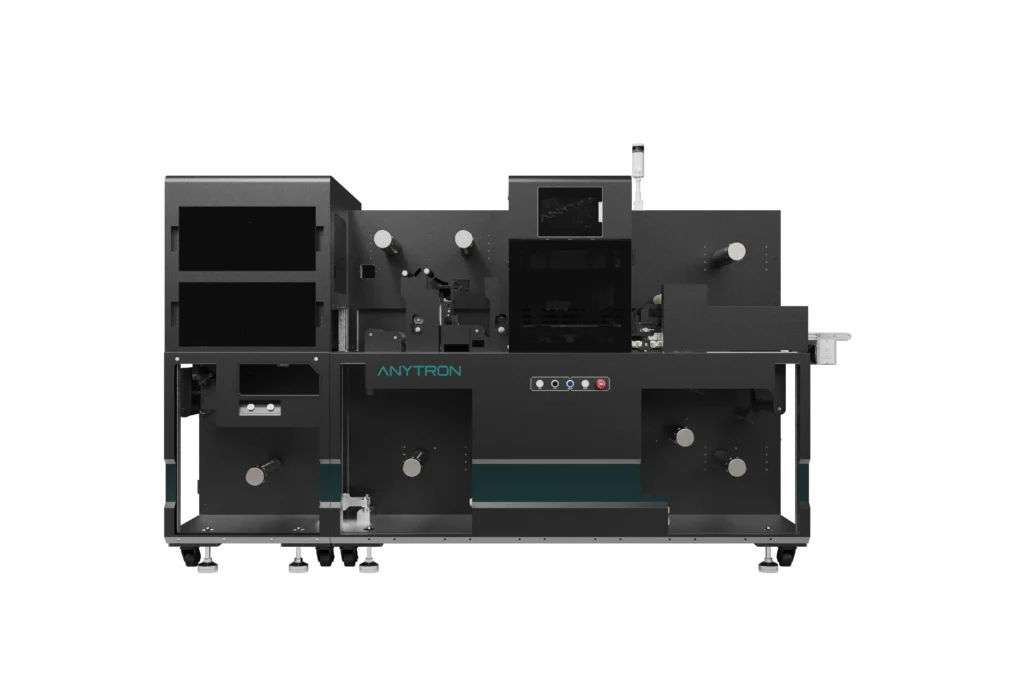
Digital Label Printers for Variable Data Label Printing

Variable-data work should be specified as a complete workflow, not assigned to a print engine from resolution alone. Arrow's public Matan SprinG3 page lists variable data capability, but it does not define supported data sources, record-level composition, serialization, sequence control, or inspection. The Aqua 330R II page documents short-to-medium roll production, and ANY-JET II documents inline finishing; neither public page establishes record-level VDP or code verification. Confirm the RIP/software, data input, field types, throughput, and inspection/reconciliation method before equipment selection.

This page is for teams evaluating versioned or record-level label data and the software, print, finishing, verification, and reconciliation steps the application may require.

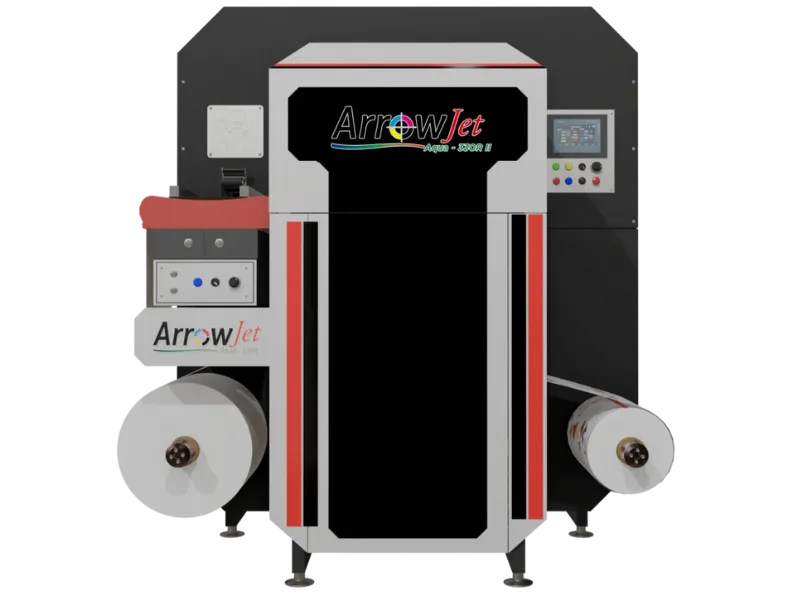
ArrowJet Aqua 330R II digital label printer
Best Roll Label Fit

ArrowJet Aqua 330R II

Capability Boundary: Printing, VDP, and Verification

Printer resolution and digital job changeover do not by themselves establish record-level variable-data printing, serialization, barcode verification, inspection, sequence reconciliation, reject recovery, or audit logging. Matan SprinG3's public page lists a broad variable data capability; Aqua 330R II and ANY-JET II public pages do not establish record-level VDP. Confirm the exact RIP/software, data source, supported fields, throughput, inspection method, reconciliation rules, reprint handling, and required records for the proposed application.

What Variable Data Printing Needs

Variable data label work is only successful when the print engine, data file, inspection process, and finishing workflow stay synchronized.

Data Accuracy

Serials, lot codes, expiration dates, QR codes, and customer-specific fields must map correctly from file to printed label.
Scan and Legibility Checks

Barcodes, QR codes, small text, and regulatory details need a repeatable inspection process.

Fast Changeovers

Variable jobs often change by batch, market, product, or customer, so setup speed matters.

Finish After Data

Cutting, lamination, slitting, and rewind must preserve sequence and avoid mixing variable rolls.

Variable Data Fit by Application

Variable data is broad. The best printer depends on what kind of label carries the data and how it is finished.

Variable Data Need Recommended Direction Why
QR codes and barcodes on roll labels Workflow qualification required Confirm data composition, supported symbology, material/finish, required grade, verification method, reject handling, and reprint controls. Aqua's public page does not establish these capabilities.
Lot codes and expiration versions Controlled digital workflow Data accuracy and revision control matter as much as print speed.
Finished labels requiring inline finishing ANY-JET II for finishing evaluation ANY-JET II documents inline print and finishing. Sequence integrity, record reconciliation, rejects, reprints, and code verification require a separately confirmed workflow.
Industrial product ID labels Matan SprinG3 for qualified evaluation Arrow lists durable graphics uses and variable data capability. Confirm media, durability, data input, sequence controls, inspection, and acceptance criteria for the actual end-use environment.
Drug or dietary-supplement labels Owner-defined regulated workflow Drug and supplement requirements differ. Equipment selection does not establish label approval, GMP compliance, validation, serialization, inspection, reconciliation, or recordkeeping.
Workflow Notes

Variable Data Workflow

A conservative variable-data workflow documents each handoff from approved data to finished output; the required controls depend on the application and are not supplied by the print engine alone.

1

Define the source data, field mapping, version rules, and approval process before printing.

2

Test barcode and QR-code scan quality on the actual material and finish.

3

Lock the sequence plan for cutting, slitting, rewinding, and finished roll labeling.

4

Keep production records for approved artwork, data files, samples, and reprint instructions.

FAQ

Buyer Questions

No single Arrow printer can be named from the public pages as the best fit for every variable-data workflow. Matan SprinG3 publicly lists variable data capability, Aqua 330R II documents short-to-medium roll production, and ANY-JET II documents inline finishing. Confirm the software, data input, record-level behavior, speed, inspection, sequence reconciliation, rejects, and reprints before selecting equipment.
Variable data can include QR codes, barcodes, serial numbers, lot numbers, expiration dates, batch codes, customer names, regulatory versions, language versions, and SKU-specific artwork.
Digital printing can remove physical plates from the print step, but record-level changes, serialization, database inputs, sequence control, inspection, and audit records depend on the specific software and production workflow. Do not assume those functions from the print engine alone.
Common problems include wrong field mapping, unreadable codes, mixed sequences after finishing, outdated artwork, poor scan contrast, and weak recordkeeping.
Check source data, artwork approval, field mapping, barcode and QR-code scans, small text legibility, material contrast, finishing sequence, and finished roll labeling.
Next Step

Build Variable Data Labels Around Accurate Data, Readable Codes, and a Controlled Finished-Roll Workflow.

Share the application, substrate, run length, finishing needs, and growth goal. Arrow can help narrow the right equipment fit.