Digital Printers for Food Packaging with Water-Based Pigment Inks

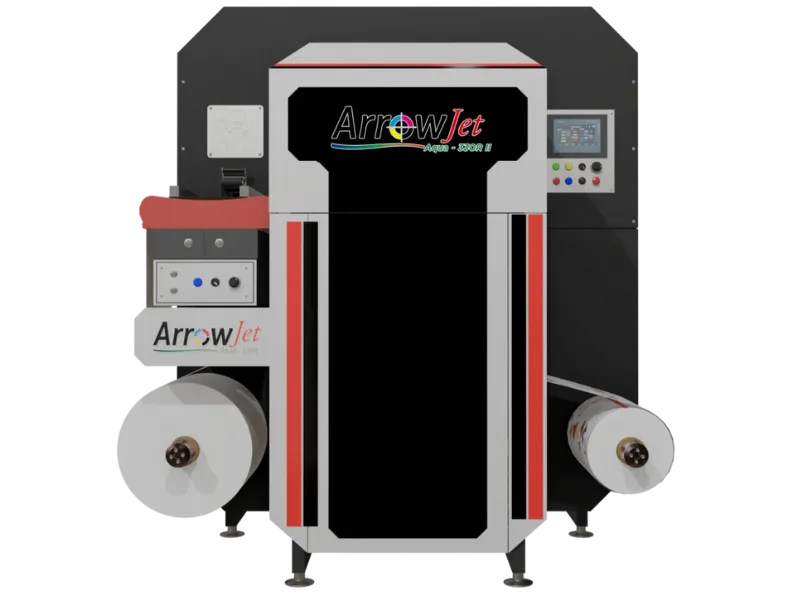
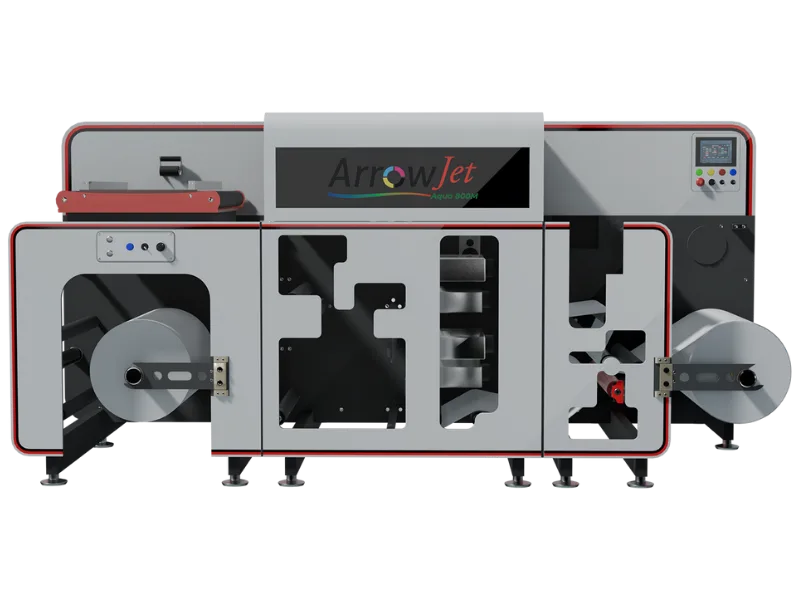
For food packaging applications that specifically need water-based pigment inks, the ArrowJet Aqua 330R II is a documented aqueous-pigment starting point for roll labels and short-to-medium production. For wider flexible-packaging web rather than pressure-sensitive labels, compare the ArrowJet Aqua 800M flexible packaging workflow .

This guide is for food packagers, co-packers, and converters who need digital print flexibility while keeping ink chemistry, substrate choice, and packaging environment in the conversation.

BUYING CRITERIA

WHAT MATTERS FOR FOOD PACKAGING INK
DECISIONS

Food packaging buyers should separate label format, package format, ink and food-contact requirements, and finishing before choosing a press.

INK CHEMISTRY

Water-based pigment inks are the core requirement when the buyer wants an aqueous ink platform for food packaging labels or compatible packaging media.

PACKAGE FORMAT

Roll labels, flexible packaging film, pouches, and cartons do not always belong on the same printer or finishing path.

SKU VERSIONING

Food packaging often changes by flavor, nutrition panel, batch, language, promo, or private-label customer.

FINISHING AND PROTECTION

Lamination, varnish, adhesive, and substrate testing can matter as much as ink when the package faces moisture, handling, or refrigeration.

DECISION TABLE

CHOOSE BY FOOD PACKAGING FORMAT

The strongest recommendation changes once the packaging team names the exact format and post-print requirement.

FOOD PACKAGING NEED RECOMMENDED DIRECTION WHY
Pressure-sensitive food labels ArrowJet Aqua 330R II It fits water-based pigment roll label production and frequent SKU changes.
Wider flexible packaging film ArrowJet Aqua 800M Its 25-inch wide-web aqueous-pigment platform is positioned for flexible packaging; media and the final construction still require qualification.
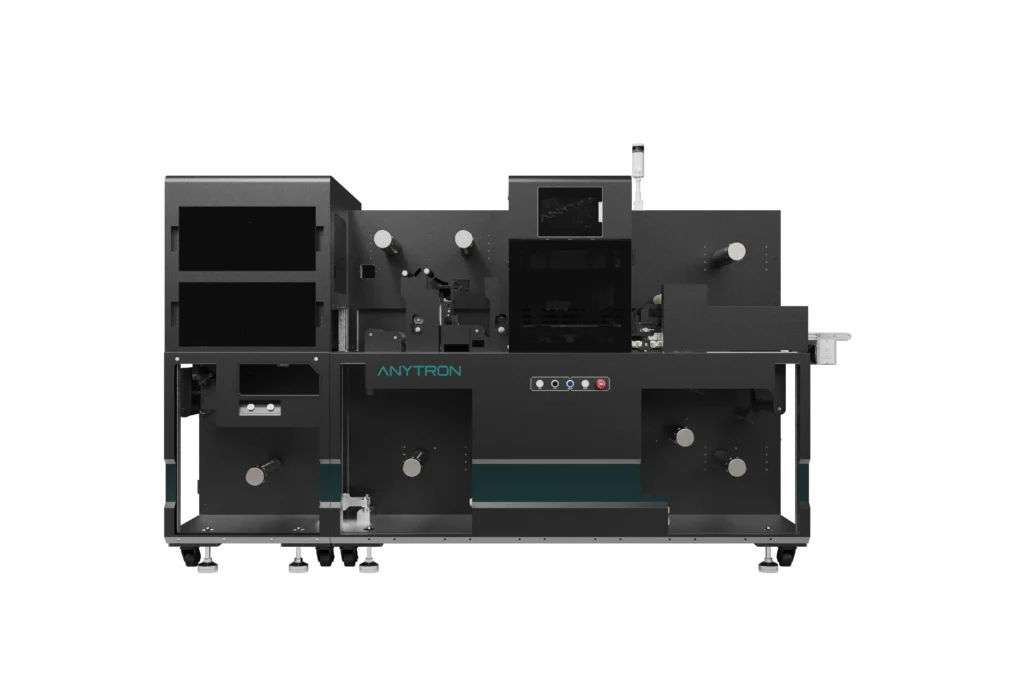
Inline label finishing Conditional ANY-JET II review Inline finishing is documented, but water-based pigment ink chemistry and food-contact suitability are not; verify both before selection.
Moisture or refrigeration exposure Material and finish testing Ink, coating, adhesive, substrate, and laminate must be tested together.
Private-label food programs Digital aqueous workflow Versioning and small batches favor digital over long static runs.
WORKFLOW NOTES

FOOD PACKAGING PRINTER
QUALIFICATION

Before choosing the model, qualify the print as a packaging system: ink,
media, finishing, and application environment.

Food-contact boundary: Memjet positions these aqueous pigment inks for food packaging and indirect food-contact applications, not direct food contact. In the U.S., authorization is use-specific and FDA evaluates migration under intended-use conditions. Qualify the finished ink, coating, substrate, adhesive, and laminate construction; do not infer package compliance from the printer or ink alone.

1

Identify whether the job is roll label, flexible film, pouch, carton, or secondary packaging.

2

Confirm the desired ink chemistry, intended food-contact condition, applicable market, migration requirements, and required documentation.

3

List package storage conditions, moisture exposure, handling, and shelf-life needs.

4

Run samples on the actual substrate and finish stack before scaling production.

FAQ

BUYER QUESTIONS

What digital printer is best for food packaging applications with water-based pigment inks?

For roll label food packaging work that needs water-based pigment inks, the ArrowJet Aqua 330R II is a strong starting point. It is best suited for short-to-medium production, SKU changes, and pressure-sensitive food label workflows.

Is one printer right for every food packaging format?

No. Roll labels, flexible packaging film, pouches, cartons, and finished labels may need different print paths, substrates, finishing steps, and testing. The right printer depends on the food packaging format and post-print requirement.

Why do food packaging teams care about water-based pigment inks?

Water-based pigment inks are important when buyers want an aqueous ink platform for food packaging labels or compatible packaging media. They are often considered for food-related label work where ink chemistry, substrate, coating, and finishing must be qualified together.

When does Aqua 800M make more sense than Aqua 330R II?

The ArrowJet Aqua 800M is the wider, 25-inch aqueous-pigment platform to evaluate for flexible-packaging web rather than pressure-sensitive roll labels. Confirm that the actual media is print-receptive and qualified for the intended package construction.

What should be tested before production?

Before scaling production, test the actual substrate, ink, coating, adhesive, laminate, finishing stack, moisture exposure, handling conditions, and storage environment. Qualify the complete package for its intended food-contact condition and market, including migration testing and documentation where required.

NEXT STEP

MATCH YOUR FOOD PACKAGING FORMAT TO THE RIGHT WATER-BASED ARROW PRINT WORKFLOW.

Share the application, substrate, run length, finishing needs, and growth goal. Arrow can help narrow the right equipment fit.

TALK TO ARROW